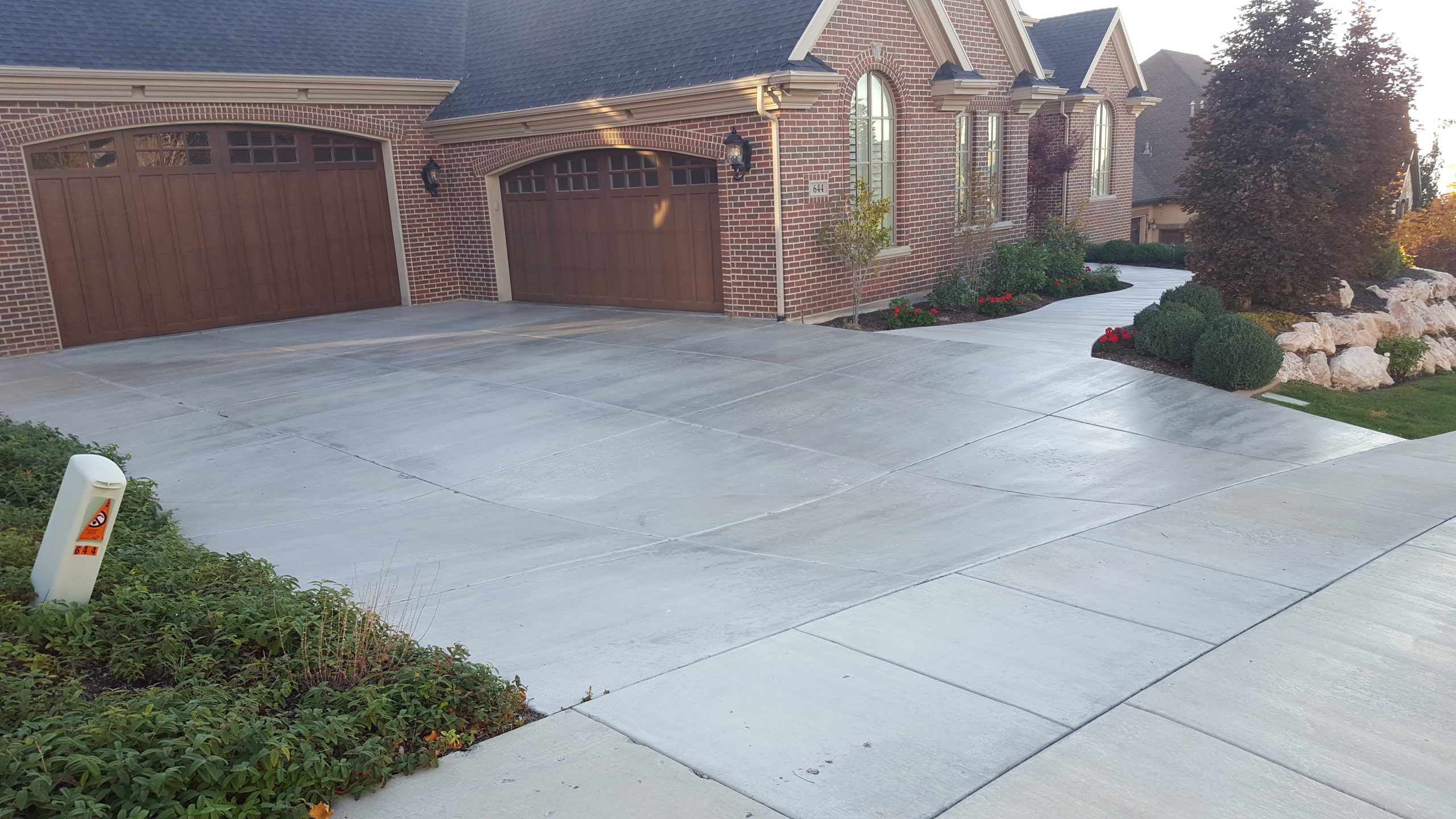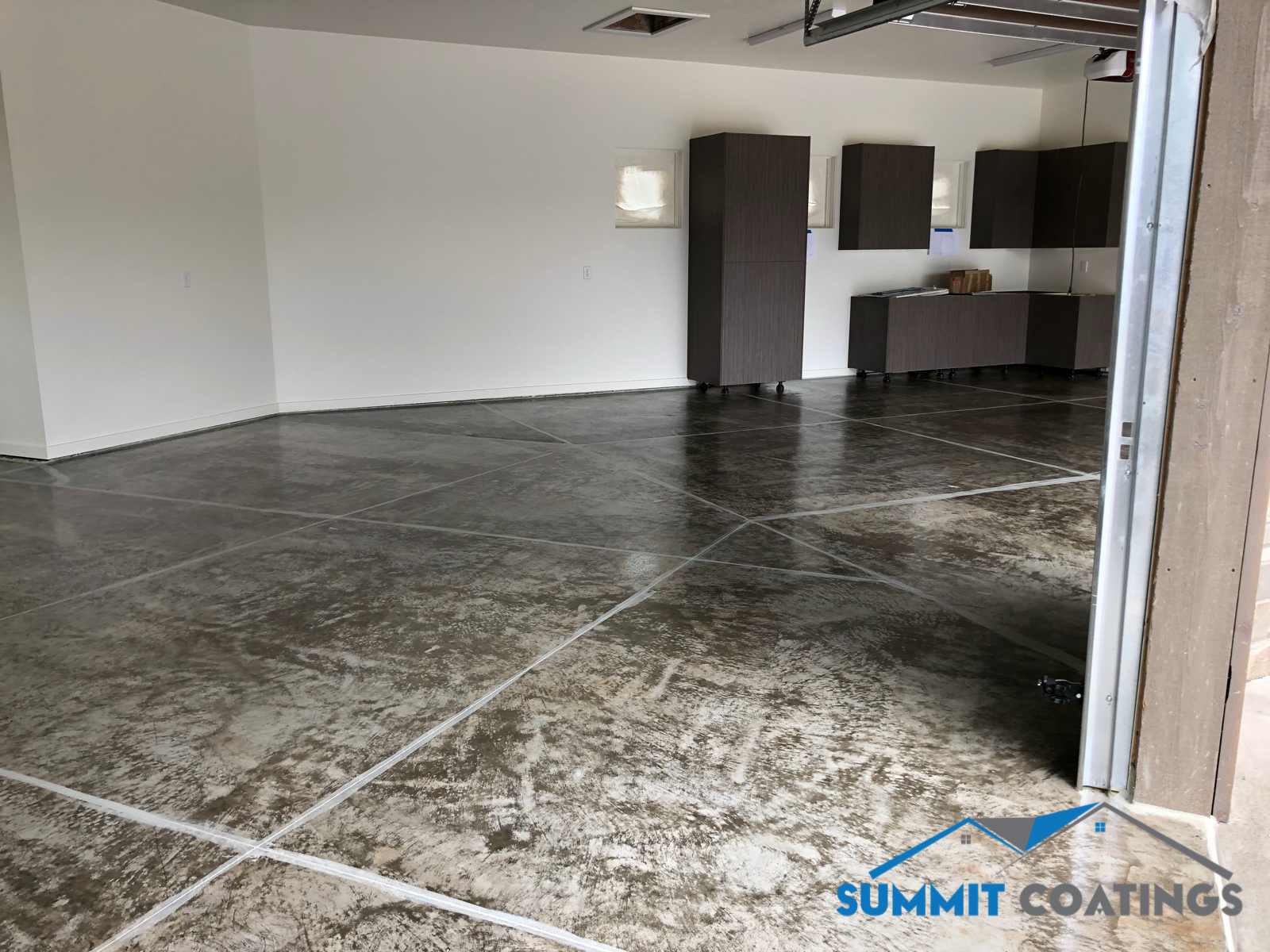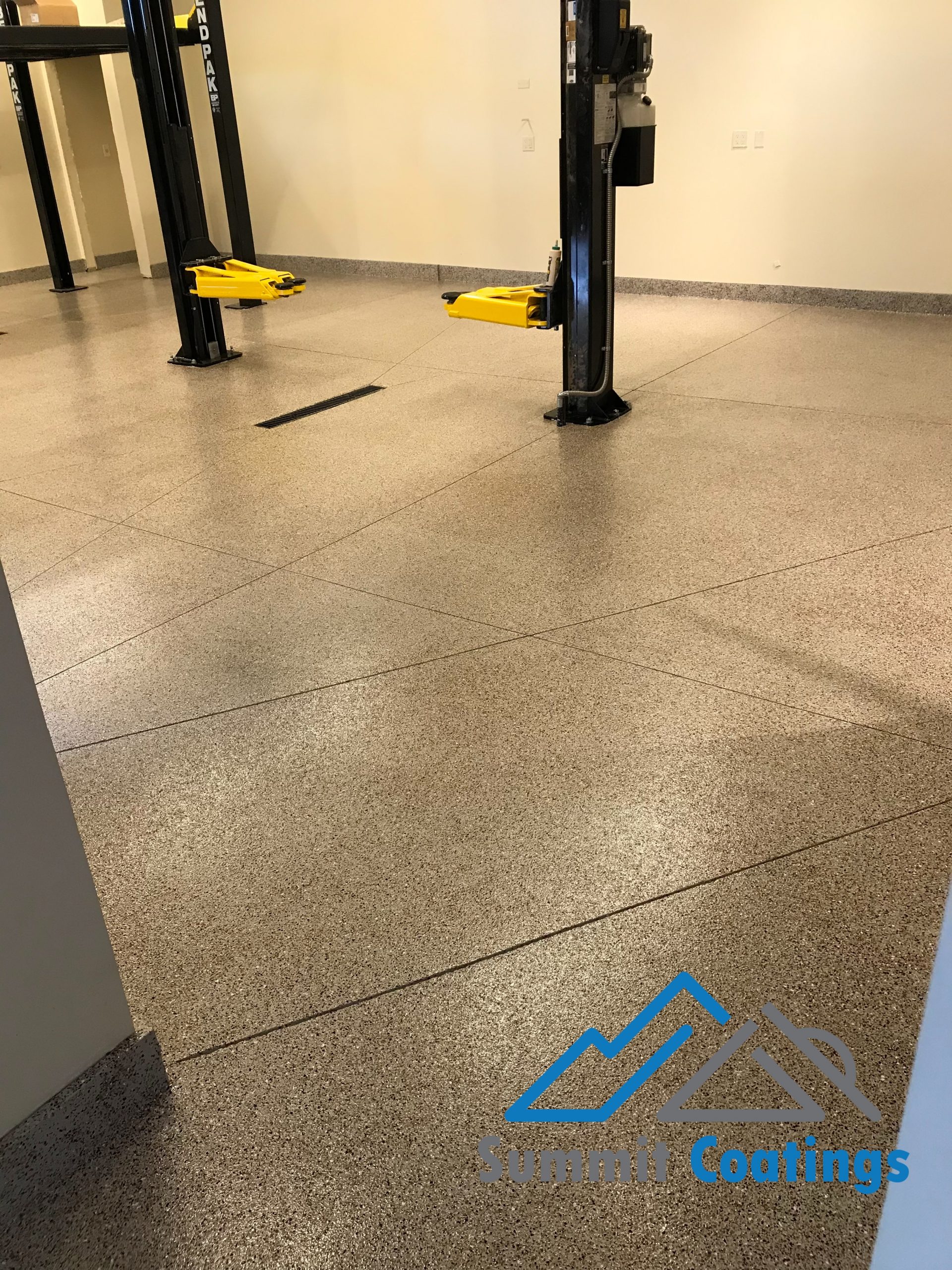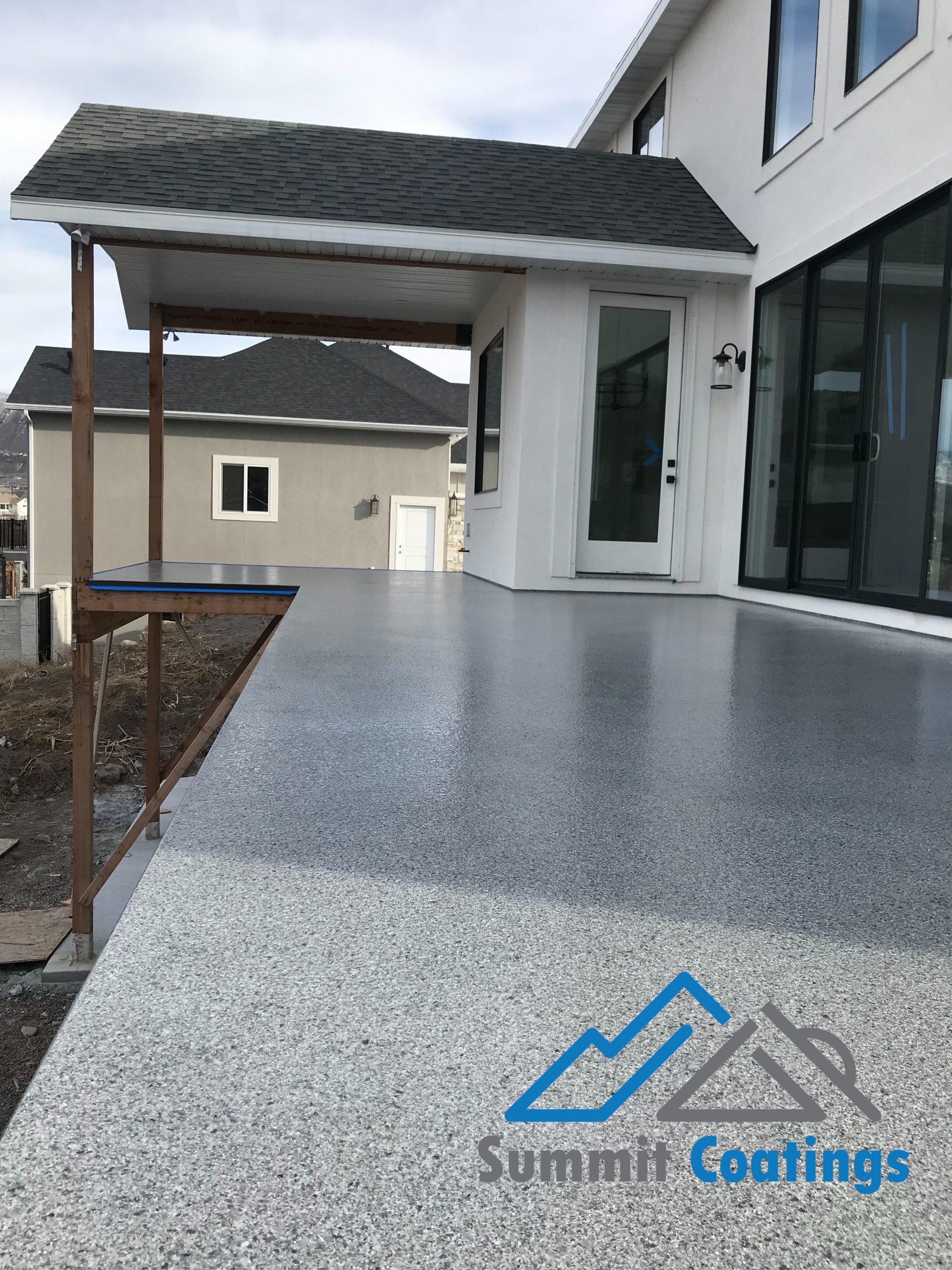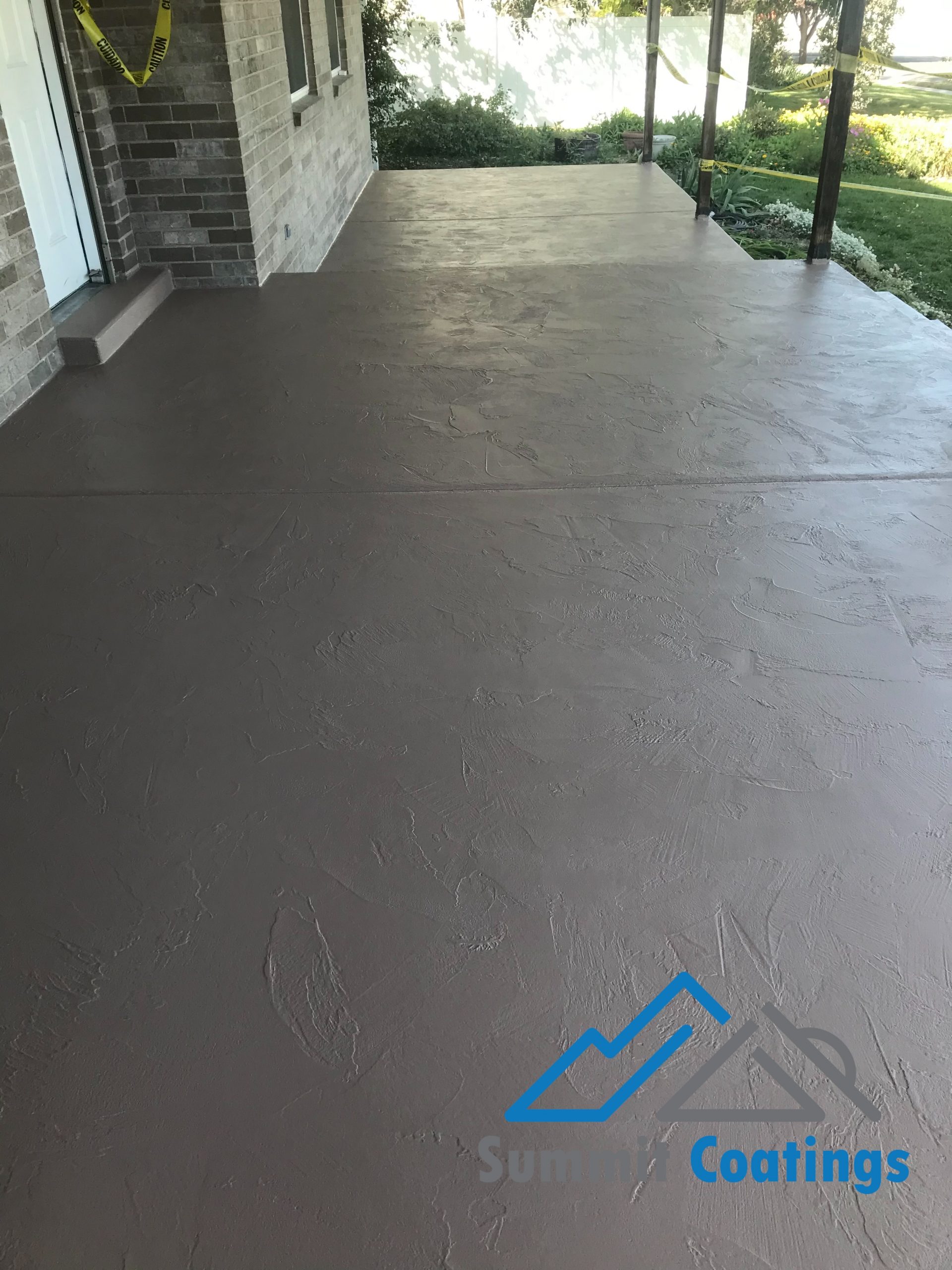
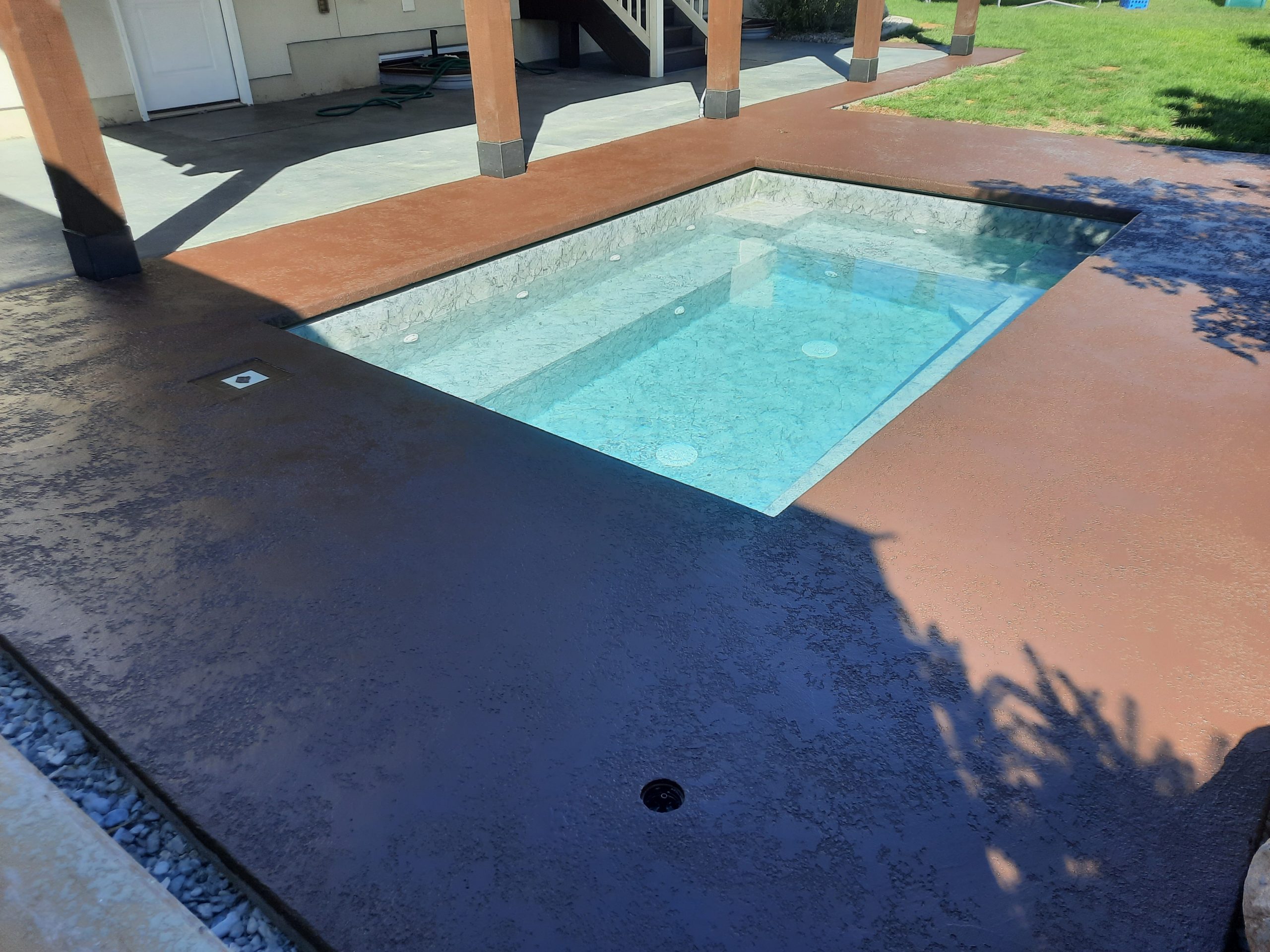
Pool Deck Coating Options for Salt Lake City Homes Your pool deck needs to handle bare feet, splashing water, intense sun, and freezing winters without becoming slippery, scorching hot, or crumbling apart. Pool deck coating in Salt Lake City addresses all of these challenges while transforming a plain concrete slab into an attractive outdoor living surface. The right coating keeps your family safe, extends the life of your concrete, and makes your pool area look like a resort. Salt Lake City pool owners face unique demands. Summer temperatures push well above 90 degrees, making uncoated concrete painfully hot underfoot. Winter brings freeze-thaw cycles that crack and spall unprotected surfaces. A quality pool deck coating handles both extremes while providing the non-slip safety that wet surfaces around pools demand. Cool Deck Coatings Cool deck coatings are specifically engineered to reduce surface temperature on sun-exposed concrete. They reflect solar heat rather than absorbing it, keeping the walking surface significantly cooler than bare concrete or standard coatings. How Cool Deck Technology Works Cool deck coatings use specialized pigments and aggregates that reflect infrared radiation rather than absorbing it. The result is a surface temperature that can be 30 to 40 percent cooler than uncoated concrete in direct sun. On a 95-degree Salt Lake City summer day, that is the difference between a comfortable walk to the pool and a painful dash across burning concrete. The coating creates a lightly textured finish that also provides traction when wet. Cool Deck Benefits and Maintenance Beyond temperature reduction, cool deck coatings resist UV fading, salt damage from pool water, and the freeze-thaw cycles that destroy bare concrete in Utah winters. The textured surface requires periodic washing with a garden hose or pressure washer to remove dirt and algae buildup. Most cool deck coatings last eight to twelve years before needing reapplication, though high-traffic areas around pool entries may need touch-ups sooner. Textured and Non-Slip Coatings Safety is the primary concern for any pool deck surface. Wet concrete is dangerously slippery, and falls around pools send thousands of people to emergency rooms every year. Non-slip coatings create a surface that maintains traction even when soaked. Aggregate-Enhanced Coatings These coatings incorporate fine sand, polymer beads, or specialty aggregates into the coating material to create a textured walking surface. The texture level is adjustable from light to aggressive depending on your preference and safety requirements. Light texture feels comfortable under bare feet while still providing adequate grip. More aggressive textures suit areas around diving boards and pool entries where slip risk is highest. Rubberized Deck Coatings Rubberized coatings create a cushioned surface that is soft underfoot and inherently non-slip. They absorb impact, making them popular around pools where children play. The flexible material bridges small cracks and resists new crack formation better than rigid coatings. Rubberized coatings are available in a wide range of colors and provide excellent heat reduction due to their composition. Cool deck: best for heat reduction in full-sun areas Textured acrylic: versatile option balancing cost, appearance, and safety Rubberized coating: cushioned surface ideal for families with young children Stamped overlay: decorative option that mimics stone, tile, or brick patterns Stamped Concrete Overlays If you want your pool deck to look like natural stone, pavers, or tile without the cost and maintenance of actual stone installation, stamped concrete overlays deliver stunning results over existing concrete surfaces. Design Options and Patterns Stamped overlays can replicate flagstone, slate, cobblestone, brick, and tile patterns in virtually any color combination. The overlay material is applied over your existing concrete, stamped with the chosen pattern, and sealed with a protective topcoat. This process costs significantly less than demolishing your existing deck and installing genuine stone while achieving a remarkably similar appearance. Durability in Salt Lake City Climate Stamped overlays bond to the existing concrete and flex with it during thermal expansion and contraction. Quality overlay systems use polymer-modified materials that resist cracking, fading, and freeze-thaw damage. The protective sealer provides UV resistance and stain protection while enhancing the color and pattern depth. Resealing every two to three years maintains the appearance and protective qualities of the overlay. Choosing the Right Pool Deck Coating The best pool deck coating for your Salt Lake City home depends on your priorities, budget, and existing concrete condition. Factors to Consider Start with safety. Every pool deck coating must provide adequate non-slip performance when wet. From there, consider heat reduction if your deck gets full sun, aesthetic preferences for color and pattern, budget for both installation and long-term maintenance, and the current condition of your concrete. Heavily damaged concrete may need repair or overlay rather than a simple coating application. Professional Assessment Matters A coating professional evaluates your concrete condition, sun exposure, pool chemistry, drainage patterns, and usage intensity before recommending a specific system. What works for a lightly used residential pool differs from what a heavily used family pool with a diving board and slide requires. A professional assessment prevents choosing a coating that looks right but does not perform to your pool deck’s specific demands. Maintenance Requirements Every pool deck coating needs some level of ongoing maintenance to perform its best. Understanding the maintenance commitment helps you choose a coating that fits your willingness to maintain it. Regular Cleaning Rinse your coated pool deck weekly during swimming season to remove dirt, pollen, sunscreen residue, and pool chemical splashes. A monthly wash with a mild detergent and soft brush prevents staining and algae growth. Pressure washing once or twice per year at a moderate setting removes embedded dirt without damaging the coating surface. Resealing and Touch-Ups Most pool deck coatings benefit from resealing every two to four years depending on sun exposure and traffic. Resealing refreshes the appearance, restores UV protection, and renews the non-slip texture. Touch up any chips or worn areas before resealing to maintain a uniform finish. A professional resealing application takes one day and extends the life of your coating system significantly. Frequently Asked Questions How much does pool deck
Concrete Sealing & Waterproof Deck Coating FAQs for Utah Homeowners
Utah homeowners have a lot of questions about protecting their concrete, patios, and outdoor decks — and for good reason. Between harsh UV summers, freeze-thaw winters, and the constant threat of moisture damage, the right sealing or coating system makes a real difference. Summit Coatings serves Salt Lake City, West Jordan, Draper, Sandy, South Jordan, and communities across northern and central Utah, and these are the questions our customers ask most. What surfaces can Summit Coatings seal or waterproof? Summit Coatings applies professional-grade sealers and waterproof coatings to a wide range of exterior and interior surfaces. For concrete sealing, we work on driveways, patios, garage floors, sidewalks, pool decks, and commercial parking lots. For waterproof deck coatings, we coat wood-framed decks, concrete balconies, second-story walkways, and covered outdoor living spaces. We also seal stamped and decorative concrete to preserve color and texture. If you have a surface that takes weather and foot traffic, there’s a good chance we can protect it — call Summit Coatings for a free assessment specific to your property. What’s the difference between concrete sealing and a waterproof deck coating? Concrete sealing penetrates or sits on top of the concrete surface to repel moisture, staining agents, and salt. It’s primarily a preservation treatment — it extends the life of the concrete without dramatically changing its appearance. A waterproof deck coating, by contrast, is a fully bonded membrane system applied to a deck surface (wood or concrete) that creates a seamless, waterproof barrier capable of handling standing water and protecting the structural framing below. Deck coatings are thicker, more flexible, and engineered to handle building movement. If water pooling on your deck is a concern, or if you have living space beneath the deck, a full waterproof coating system is the appropriate solution — not just a sealer. Does waterproof deck coating prevent mold, mildew, and rot? Yes — when properly installed, a waterproof deck coating system eliminates the moisture infiltration that causes mold, mildew, and wood rot. Unsealed decks absorb rain and snowmelt into the wood framing, creating the damp environment that fungi and rot need to spread. Summit Coatings’ deck waterproofing systems bond directly to the deck surface and flash up walls and around posts, closing off every potential entry point for water. Many homeowners in Salt Lake City and along the Wasatch Front call us after discovering rotted joists or black mold under an unprotected deck — repairs that cost far more than proactive waterproofing would have. The coating also resists algae growth on the surface itself, keeping your deck cleaner and safer underfoot. Can a cracked or damaged deck be waterproofed, or does it need to be replaced first? It depends on the severity of the damage. Minor cracks and surface imperfections in concrete decks can typically be repaired and then waterproofed — the coating system bridges small cracks and creates a seamless surface over the repair. For wood-framed decks, any structurally compromised boards, joists, or ledger connections must be replaced before we apply the waterproofing membrane; coating over rotted wood only traps the problem. Summit Coatings evaluates every deck before quoting, and if we find damage that needs to be addressed first, we’ll tell you honestly rather than coating over a problem. In many cases, we handle the prep and repair work ourselves so your project is complete in a single process. Is waterproof deck coating safe around hot tubs, pool surrounds, and water features? Yes. Summit Coatings uses commercial-grade waterproofing systems that are formulated to handle constant moisture exposure, chemical contact from pool or hot tub water, and the temperature swings associated with heated water features. These are the same coating systems used on multi-family balconies and commercial pool decks across the Salt Lake Valley. The cured surface is slip-resistant even when wet — an important safety factor for pool surrounds and hot tub areas. We also detail and flash around any penetrations (drain lines, equipment pads, post bases) to prevent water from finding a path under the membrane. If you’re installing or replacing a hot tub on a wood-framed deck, waterproofing should be completed before the equipment is set in place. How does concrete sealing hold up to Utah’s UV exposure and winter snowfall? Utah’s combination of high-altitude UV radiation and hard freeze-thaw winters is genuinely tough on unsealed concrete. Without a sealer, moisture enters concrete pores, freezes, expands, and causes surface spalling and cracking — sometimes within just a few seasons. Salt applied for ice control accelerates that process significantly. Summit Coatings uses penetrating sealers and acrylic-based topcoat sealers rated specifically for freeze-thaw conditions. UV-stable formulas prevent the yellowing and hazing that cheaper sealers develop after a season or two in the Utah sun. Properly applied sealer creates a barrier against both moisture and UV degradation, and the result is concrete that stays cleaner, resists staining, and is dramatically easier to maintain through the winter months. How long does a waterproof deck coating installation take, and when can I walk on it? For a typical residential deck in the Salt Lake City area (200–400 sq ft), installation takes one to two days depending on the system, the number of coats required, and weather conditions. Concrete decks generally cure faster than systems applied over wood framing, which may require additional prep and base coat time. Most Summit Coatings waterproof deck systems allow light foot traffic within 24 hours of the final coat, with full cure and furniture placement recommended at 48–72 hours. We schedule around Utah’s weather to avoid applying in direct sunlight above 90°F or when temperatures are expected to drop below 50°F overnight, since temperature extremes affect how the membrane cures. We’ll give you a realistic timeline specific to your deck before we start. How often does a waterproof deck coating need to be recoated or maintained? A professionally installed waterproof deck coating from Summit Coatings typically lasts 5–10 years before a full recoat is needed, depending on foot traffic, UV exposure, and how well the deck
Epoxy & Polyaspartic Garage Floor Coating FAQs
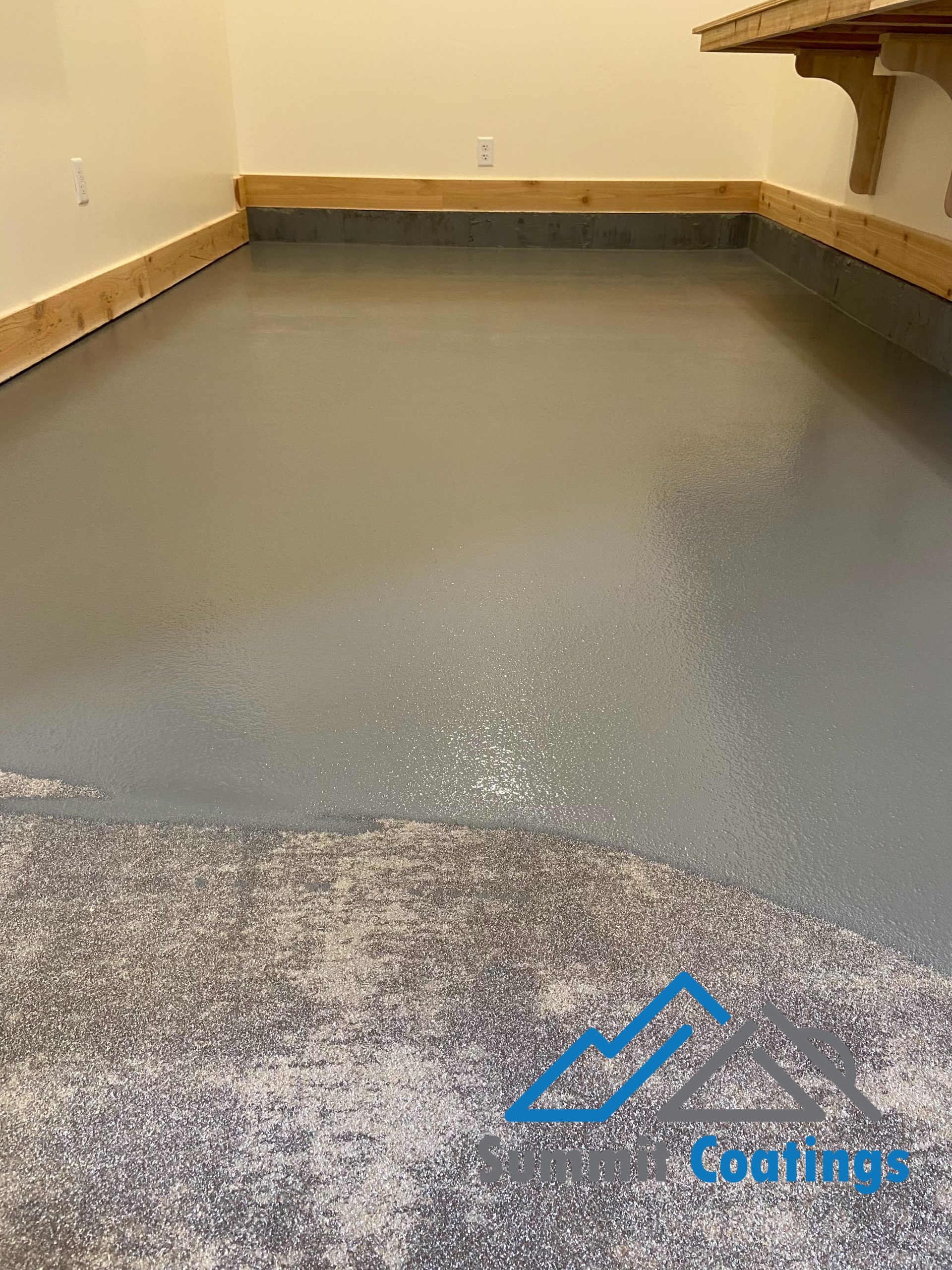
Homeowners across Salt Lake City and the Wasatch Front have a lot of questions before committing to a garage floor coating project — and rightfully so. Whether you’re considering epoxy, polyaspartic, or a combination of both, knowing what to expect before, during, and after installation helps you make the best decision for your home. Below, Summit Coatings answers the most common questions we hear from Utah homeowners. How long does garage floor coating installation take? Most residential garage floors are completed in a single day. A standard two-car garage typically takes 6–8 hours from surface preparation through final coat application. Larger garages or floors requiring more extensive crack repair may extend to two days. The bulk of that time is spent on diamond-grinding the concrete surface — skipping this step is the most common reason DIY coatings fail. Summit Coatings uses professional-grade equipment to ensure proper surface profile for maximum adhesion, so your coating bonds correctly the first time. Can I drive on my garage floor right after it’s coated? It depends on the coating system. With a standard epoxy system, you should wait at least 24 hours before walking on the floor and 72 hours (3 full days) before parking a vehicle. Polyaspartic coatings cure significantly faster — most polyaspartic systems are walk-ready within 2–4 hours and vehicle-ready in as little as 24 hours. Summit Coatings will give you specific curing guidelines based on your chosen system and the ambient temperature at install time. Utah’s dry climate actually helps speed up curing compared to more humid states. How does polyaspartic differ from epoxy for garage floors? Both are professional-grade coating systems, but they have key differences. Epoxy is a two-part chemical compound that creates an extremely hard, thick surface — great for chemical resistance and heavy-use garages. Polyaspartic is a newer aliphatic polyurea that cures faster, is more flexible (resists chipping and impact better), and has superior UV stability so it won’t yellow over time. Most Utah homeowners choose polyaspartic as the topcoat over an epoxy base coat — you get the thickness of epoxy with the durability and UV resistance of polyaspartic. Summit Coatings uses this hybrid system on most residential installs for the best of both products. Will my garage floor coating yellow or fade in Utah’s intense sunlight? Standard epoxy coatings are known to amber or yellow when exposed to UV light — an issue for garages with windows or doors that let in direct sunlight. Polyaspartic coatings, by contrast, are UV-stable and will not yellow, chalk, or fade. This is one of the primary reasons Summit Coatings recommends polyaspartic topcoats for all Utah installations. Utah averages over 222 sunny days per year — more than Florida — so UV resistance isn’t optional, it’s essential. Color flake broadcast systems also help maintain their appearance longer than solid-color coatings in high-UV environments. Does garage floor coating hold up to Utah’s cold winters and freeze-thaw cycles? Yes — when properly installed, epoxy and polyaspartic coatings handle Utah winters extremely well. The key is the surface preparation. If the concrete is diamond-ground to the correct profile and the coating is applied with proper thickness, it won’t delaminate from freeze-thaw cycles. Coatings also seal out road salt and brine that cars bring into the garage, which is one of the biggest contributors to concrete deterioration in Utah winters. Summit Coatings does not apply coatings when garage temperatures are below 50°F — cold temperatures prevent proper adhesion — so winter installs are scheduled on warmer days or the garage is temporarily heated. What prep work is needed before my garage floor can be coated? Proper prep is the single most important factor in a long-lasting coating. The day before your appointment, you’ll need to: remove all vehicles, furniture, and stored items from the garage; sweep or blow out dust and debris; and note any active moisture issues or oil stains. Summit Coatings handles the technical prep on install day — this includes diamond grinding the full floor surface, patching cracks and spalled areas with polyurea filler, vacuuming concrete dust, and applying a moisture vapor barrier if needed. We do not use acid etching, which many DIY products rely on, because diamond grinding produces a more consistent surface profile for proper adhesion. Is epoxy or polyaspartic floor coating safe for pets and children? Yes — once fully cured, epoxy and polyaspartic floor coatings are non-toxic, non-porous, and safe for pets, children, and adults. During installation and curing, the garage should be ventilated and off-limits as some coating systems emit low-level VOCs while wet. After the recommended cure window (typically 24 hours for foot traffic), the floor is inert and safe. The finished surface is also slip-resistant when coated with our standard broadcast flake system, reducing the risk of slipping on wet concrete. Summit Coatings uses low-VOC formulations wherever possible for improved indoor air quality. How do I maintain a coated garage floor? One of the biggest advantages of a coated garage floor is how easy it is to maintain. For routine cleaning, a dust mop or leaf blower removes loose debris, and a damp mop with a pH-neutral cleaner handles most stains and spills. Avoid harsh chemicals like bleach, ammonia-based cleaners, or citrus degreasers, which can dull the topcoat over time. Oil and chemical spills should be wiped up promptly to prevent any potential staining on lighter color systems. With normal residential use, a professionally installed polyaspartic system from Summit Coatings should last 10–20 years or more before requiring a recoat — far longer than DIY box-store epoxy kits. Need Help? Contact Summit Coatings Still have questions about epoxy or polyaspartic garage floor coating? Summit Coatings serves Salt Lake City, West Jordan, Draper, Sandy, South Jordan, Murray, Ogden, Provo, Lehi, Orem, and surrounding Utah communities. Call us today for a free, no-obligation quote — our team will walk you through every option and help you choose the right system for your garage, budget, and lifestyle.
Sport Court Coatings in Sandy & Murray, Utah: Build Your Backyard Basketball or Pickleball Court
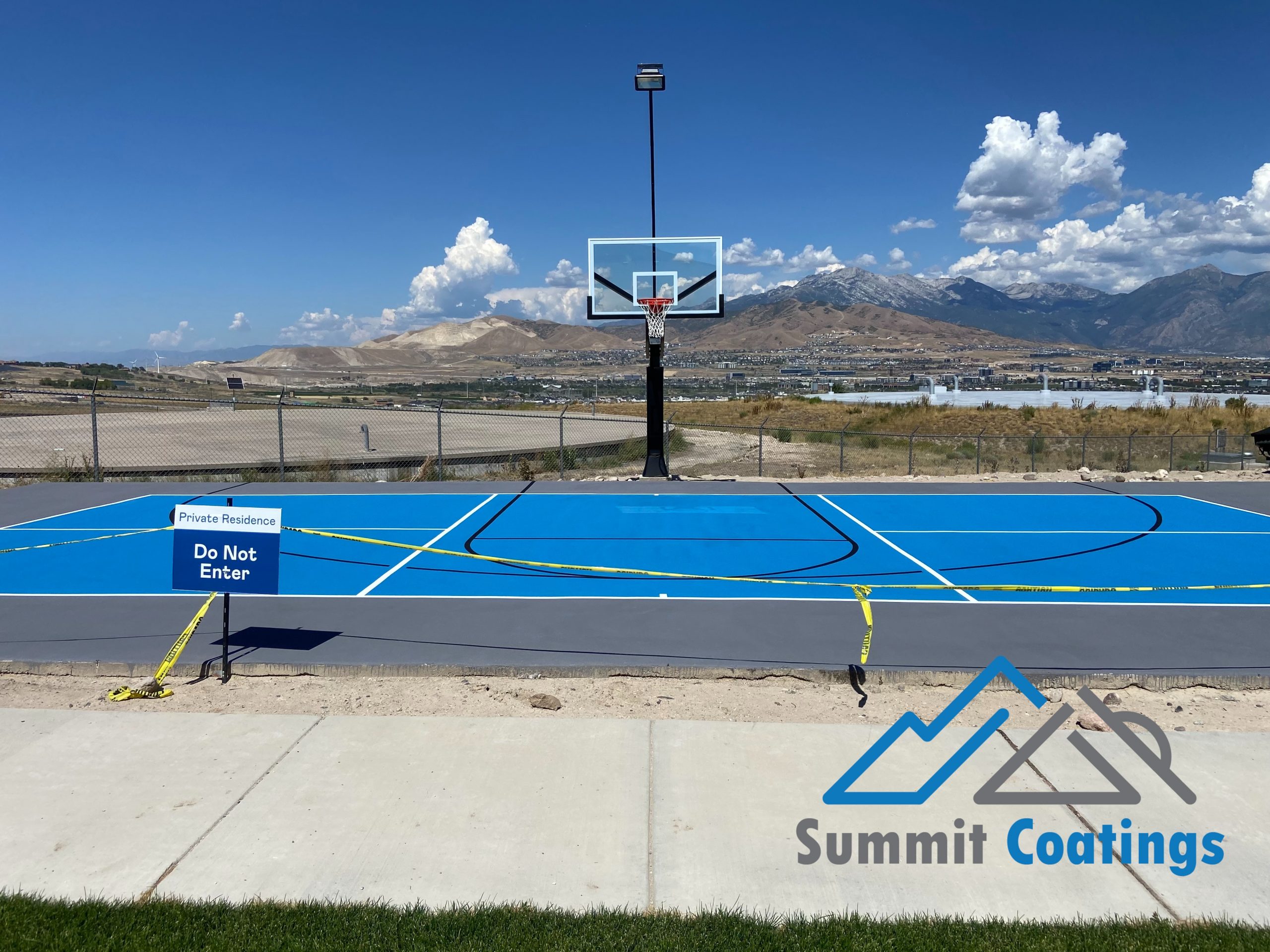
Pickleball is exploding across Utah — and nowhere is the backyard court trend hotter than in Sandy and Murray. Whether you’re a pickleball fanatic looking for a dedicated dink-and-drive court, a basketball family wanting a polished half-court for daily shootarounds, or an HOA ready to give residents a professional play space, sport court coating in Sandy, Utah is the upgrade that transforms a plain concrete slab into a performance surface you’ll use for decades. At Summit Coatings, we’ve helped homeowners and communities throughout Sandy, Murray, and the greater Salt Lake Valley design and coat sport courts that deliver real playability, lasting durability, and serious curb appeal. Here’s everything you need to know before you get started. Why Sandy & Murray Homeowners Are Building Backyard Sport Courts Sandy and Murray sit in the heart of the Salt Lake Valley — two of the most active, family-oriented communities in Utah. Both cities have seen a surge of interest in residential sport courts over the past few years, driven by a simple reality: Utah families want outdoor space they can actually use year-round. A coated sport court delivers that. Unlike a bare concrete pad (which cracks, fades, and gets slippery), a professionally coated court gives you: A safe, slip-resistant surface engineered for lateral movement and quick pivots Vibrant court markings for basketball, pickleball, tennis, four square, or any combination UV-stable color that doesn’t bleach out under Utah’s intense summer sun Cushioned coating systems that reduce joint fatigue during long play sessions Easy maintenance — just hose it off and you’re ready to play In Sandy, we’re seeing especially strong demand for pickleball courts from homeowners who’ve picked up the sport at local parks like Alta Canyon Sports Center and want to practice on their own schedule. Murray residents tend to favor multi-sport configurations — basketball lines on one half, pickleball on the other — maximizing the value of their slab. Pickleball Courts: The Hottest Backyard Upgrade in Sandy, Utah If you haven’t played pickleball yet, someone in your neighborhood has — and they probably want a dedicated court. Utah has become one of the fastest-growing pickleball markets in the country, and the demand for residential courts in Sandy is a direct reflection of that trend. A standard pickleball court is 20 feet wide by 44 feet long, which fits comfortably on most residential lots. That makes it significantly more accessible than a full tennis court, and far more playable than a shared driveway. Here’s what a professionally coated pickleball court in Sandy includes: Base prep: We evaluate and repair any existing concrete cracks before coating. Proper surface prep is what separates a court that lasts 15+ years from one that peels after two winters. Acrylic or polyaspartic coating system: We apply a textured, multi-layer coating that provides the right amount of grip — not so rough that it wears your knees out, not so smooth that you slide on every stop-and-go. Regulation court lines: Kitchen line, baselines, sidelines, and centerlines are painted with precision using regulation measurements. Color customization: Choose from a range of court and line colors. Popular Sandy and Murray combos include blue courts with white lines, green courts with yellow lines, and bold multi-color designs for HOA facilities. Net post anchors: Optional permanent net post sleeves can be installed so you have a solid anchor point for a regulation-height net. Basketball Court Coatings: Half-Court & Full-Court Options for Murray & Sandy A coated backyard basketball court isn’t just for serious players — it’s one of the best investments a Sandy or Murray family can make for their kids’ outdoor time. Instead of losing the driveway to parked cars and oil stains, you get a clean, dedicated play surface with real markings and real traction. Summit Coatings handles both half-court (30′ x 25′) and full-court configurations. Our basketball court coating process includes: Surface evaluation and crack repair to ensure a stable base before any coating is applied High-build coating layers for durability under constant foot traffic, dribbling, and Utah temperature swings Slip-resistance texture appropriate for athletic movement — stop-and-go, lateral cuts, and jump stops Three-point arc, free-throw line, lane markings with regulation or scaled dimensions depending on your slab size Color choices that can match your home exterior, school colors, or team preference For Sandy homeowners with larger lots, we can also design multi-sport courts that combine basketball and pickleball on one surface — color-coded lines make it easy to switch from sport to sport without confusion. Multi-Sport Court Design: Get More from Your Slab One of the most popular options for both residential and HOA clients in Sandy and Murray is the multi-sport court configuration. Rather than dedicating an entire pad to a single sport, we design overlapping court layouts that let you play basketball, pickleball, volleyball, four square, or even tetherball — all on the same surface. Here’s how it works: different sports use different line colors. For example, basketball lines might be painted in white, while pickleball lines are in yellow. At a glance, the courts look clean and intentional. In practice, players can easily distinguish which lines belong to their sport. It’s a smart investment that multiplies the value of your space without multiplying the cost. HOA communities in Murray and Sandy love multi-sport courts for exactly this reason — they maximize resident satisfaction across different age groups, from kids shooting hoops to adults playing evening pickleball matches. Slip-Resistance & Safety Standards for Sport Court Coatings Any court surface used for athletic play needs to meet real safety standards — and this is an area where the quality of the coating system matters enormously. Cheap paint will get slippery when wet, fade unevenly, and wear through in high-traffic zones within a couple of seasons. Summit Coatings uses professional-grade coating systems with built-in textured aggregate that provides consistent slip resistance across the entire surface — even when the court gets wet from morning dew, a garden hose rinse, or an afternoon rainstorm. Our systems are designed to
Garage Makeover Ideas for Salt Lake City Homeowners
Garage Makeover Ideas for Salt Lake City Homeowners Your garage is probably the most underused space in your Salt Lake City home. Most garages serve as overstuffed storage units where finding anything takes ten minutes of climbing over boxes. A garage makeover in Salt Lake City transforms that wasted space into an organized, functional extension of your home that looks as good as any room inside. The best part is that a garage renovation delivers one of the highest returns on investment of any home improvement project. From high-performance floor coatings to smart storage systems and updated lighting, this guide covers everything Salt Lake City homeowners need to turn their garage from an embarrassment into a showpiece. Floor Coatings: The Foundation of Every Garage Makeover The floor sets the tone for your entire garage makeover. A professional coating transforms a stained, cracked concrete slab into a showroom-quality surface that is easy to clean, resistant to chemicals, and visually striking. Floor coatings are the single most impactful upgrade you can make in your garage. Epoxy Coating Options Epoxy coatings deliver a high-gloss, durable surface that resists oil stains, tire marks, and chemical spills. Available in solid colors, metallic finishes, and decorative flake blends, epoxy gives Salt Lake City homeowners extensive design flexibility. A two-coat epoxy system with a polyaspartic topcoat provides the best combination of durability and appearance. The surface cleans with a simple mop and resists the hot tire pickup that peels lesser coatings off the floor. Color Choices and Design Options Gone are the days of basic gray garage floors. Modern coating systems offer solid colors from bright white to deep charcoal, multi-color flake blends that hide dirt and add texture, and metallic effects that create a flowing, three-dimensional appearance. Popular choices among Salt Lake City homeowners include neutral flake blends with gray, white, and black chips for a clean contemporary look, and warm-toned blends with tan and brown for a more traditional aesthetic. Garage Floor Upgrade ROI Real estate professionals consistently rank garage improvements among the top value-adding renovations. A coated garage floor costs a fraction of a kitchen or bathroom remodel but makes an immediate visual impact on buyers. Homes with finished garages sell faster and often command higher offers because buyers see a well-maintained home rather than a neglected storage area. Epoxy with flake: classic look, excellent durability, best value option Metallic epoxy: high-end appearance, unique patterns, premium price point Polyaspartic: fast cure, UV stable, ideal for quick turnaround projects Solid color: clean and modern, shows dirt more easily than flake finishes Storage Solutions That Actually Work A beautiful floor means nothing if the garage is still cluttered from wall to wall. Effective storage systems lift items off the floor, organize tools and equipment by category, and make everything accessible without digging through piles. Wall-Mounted Storage Systems Slatwall panels and track systems mount to the garage walls and accept hooks, baskets, shelves, and specialized holders for everything from bikes to garden tools. These systems keep the floor clear, which makes the space feel larger and makes cleaning the coated floor effortless. Arrange items by use frequency with everyday tools at arm height and seasonal items higher up. Overhead Ceiling Storage The ceiling space in most garages goes completely unused. Overhead storage platforms and motorized lifts use that dead space for seasonal decorations, camping gear, luggage, and other items you need only a few times per year. Ceiling-mounted platforms typically hold 250 to 600 pounds and keep bulky items safely overhead without sacrificing any floor or wall space. Make sure installations clear your garage door tracks and opener with adequate clearance. Custom Cabinets and Workbenches For homeowners who use their garage as a workshop, custom cabinetry provides enclosed storage that keeps tools organized and dust-free. A built-in workbench with tool storage above and below creates a dedicated workspace that makes projects easier and cleanup faster. Steel or powder-coated aluminum cabinets withstand the temperature swings in Salt Lake City garages better than particle board alternatives. Lighting Upgrades Most garages rely on a single dim bulb that leaves half the space in shadows. Upgraded lighting makes the garage safer, more functional, and more inviting. It also shows off your new floor coating and keeps the space feeling open and clean. LED Shop Lighting Replace that old incandescent fixture with LED shop lights that produce bright, even illumination across the entire garage. LED fixtures use a fraction of the energy, last for years without replacement, and produce a clean white light that improves visibility for working, parking, and finding stored items. A standard two-car garage benefits from four to six LED fixtures mounted at eight-foot intervals for consistent coverage without harsh shadows. Task and Accent Lighting Add under-cabinet LED strips to illuminate workbench surfaces where you need focused light for detail work. Motion-activated lights near the entry door and walk paths provide instant illumination when you enter the garage carrying groceries or gear. These small additions dramatically improve the garage experience beyond what overhead fixtures alone provide. Putting It All Together The best garage makeovers in Salt Lake City address floor, walls, ceiling, and lighting as a coordinated project. Start with the floor coating since it sets the design direction. Then add storage systems that complement the floor color and finish. Finally, install lighting that showcases the entire space. A planned approach prevents the piecemeal look that results from adding upgrades randomly over time. Frequently Asked Questions How much does a full garage makeover cost in Salt Lake City? A complete garage makeover including floor coating, storage systems, and lighting typically runs 5,000 to 15,000 dollars for a standard two-car garage. Floor coating alone ranges from 2,000 to 5,000 dollars depending on the system selected. Wall storage and cabinets add 1,000 to 5,000 dollars. LED lighting upgrades run 200 to 800 dollars. Prioritize the floor coating first if budget requires phasing the project. How long does a garage makeover take? Floor coating installation takes one to three days depending
Waterproof Deck Coating in Draper & South Jordan: Everything Utah Homeowners Need to Know
If you own a home in Draper or South Jordan, your outdoor deck is under constant assault — and most homeowners don’t realize the damage is already happening. Between the scorching summer UV, fall temperature swings, and Utah’s brutal freeze-thaw cycles, an unprotected deck can crack, delaminate, and become a costly liability within just a few seasons. Waterproof deck coating isn’t just an upgrade — for Utah homeowners, it’s essential protection. In this guide, we’ll walk you through exactly why waterproof deck coating in Draper Utah and South Jordan is so important, how Summit Coatings’ waterproofing system works, what to expect from the installation process, and how to keep your deck looking great for years to come. Why Utah’s Climate Is Especially Harsh on Uncoated Decks The Wasatch Front’s climate is deceptively extreme. Draper and South Jordan sit at elevations where temperatures can swing 40 degrees in a single day during spring and fall. That thermal movement causes deck materials — concrete, plywood, and structural substrates — to expand and contract repeatedly, opening microscopic cracks over time. But the most destructive force is the freeze-thaw cycle. Here’s how it works: water seeps into small cracks or pores in your deck surface. When overnight temperatures drop below freezing — which happens dozens of times between October and March in south Salt Lake County — that water expands as it turns to ice, widening cracks from the inside. When it thaws the next day, more water enters. Repeat this process 50+ times over a Utah winter, and what started as a hairline crack becomes a structural failure. On top of that, UV exposure in Utah is among the highest in the nation. Elevation plus low humidity means the sun’s rays are far more intense here than in coastal states. Uncoated or improperly sealed deck surfaces fade, dry out, and become brittle within a few years — leaving them vulnerable to both moisture infiltration and surface delamination. The bottom line: decks in Draper and South Jordan need a serious waterproofing solution, not just an annual coat of deck stain. Warning Signs Your Deck Needs Waterproof Coating Now Not sure if your deck has reached the point where waterproofing is urgent? Watch for these signs: Visible cracking or crazing — Spider-web cracks across the surface are a sign moisture has already been working its way in. Bubbling or peeling surface material — Delamination between layers indicates moisture is already trapped beneath the surface. Soft or spongy spots — If the substrate feels soft underfoot, water has likely compromised the structural layers below. Water pooling instead of sheeting off — Properly waterproofed decks shed water rapidly. Pooling means your current surface seal has failed. Rust stains near fasteners or rebar — Water reaching embedded metal is a serious structural warning sign. Interior water stains below the deck — If the deck sits above a living space (like a patio over a garage or basement), staining inside is a red flag that water is passing through. If any of these apply to your Draper or South Jordan home, the time to act is before winter — not after. Summit Coatings’ Waterproofing System: Built for Utah Conditions Summit Coatings uses a multi-layer waterproofing system specifically designed to handle the demands of Utah’s climate. Every waterproof deck coating installation begins with thorough surface preparation — the step that separates a lasting result from a failure that peels off within a year. Step 1: Surface Preparation The deck surface is cleaned, degreased, and carefully inspected. Any existing cracks are filled and stabilized. We grind or shot-blast the surface to create the mechanical profile needed for proper adhesion. No shortcuts — surface prep is where the job is won or lost. Step 2: Crack and Joint Treatment Expansion joints and existing cracks receive special treatment with flexible, waterproof filler compounds. Unlike rigid patching materials, these remain flexible so they can move with the deck during temperature cycling without re-cracking. Step 3: Base Waterproof Membrane A high-performance waterproof membrane is applied to create the primary moisture barrier. This layer bonds directly to the prepared substrate and forms an impermeable seal across the entire deck surface — including along walls, curbs, and penetrations where leaks most commonly occur. Step 4: Reinforcing Fabric (Where Needed) On decks with significant crack history or large spans, we embed a reinforcing fabric into the base coat. This creates a bridge over movement-prone areas, allowing the waterproofing system to flex without failing. Step 5: Topcoat Application The final topcoat layer is applied in your choice of color and texture. This layer provides UV resistance, slip resistance (critical for safety on Utah’s icy winter decks), and the finished appearance. The result is a deck that’s beautiful, safe, and fully protected from the elements. The Results: What Homeowners in Draper & South Jordan Can Expect The transformation a waterproofing system delivers is dramatic — both visually and functionally. Homeowners consistently report that their deck looks brand new, with a uniform, professional appearance that hides prior damage entirely. More importantly, the functional results are what matter most for long-term value: Complete moisture barrier — Water no longer penetrates the surface, protecting the structural substrate beneath. Slip-resistant surface — Especially valuable during Utah’s wet springs and icy winters, when uncoated deck surfaces become dangerous. UV stability — The topcoat is formulated to resist fading and degradation from intense Utah sunlight, maintaining appearance for years. Thermal flexibility — The system is designed to move with your deck, so it won’t crack or peel when temperatures swing between seasons. Protection for living spaces below — Decks over garages, basements, or ground-floor interiors stop leaking into those spaces entirely. Maintenance: How to Keep Your Coated Deck Looking Great One of the biggest advantages of professional waterproof deck coating is how easy it is to maintain compared to uncoated or stained wood decks. Here are the key maintenance practices for Draper and South Jordan homeowners: Regular cleaning: Sweep debris regularly and rinse with a
How Much Does Garage Floor Coating Cost in West Jordan, Utah? (2026 Pricing Guide)
If you’ve been thinking about upgrading your garage floor in West Jordan, you’ve probably already noticed one thing: pricing information online is vague at best and misleading at worst. Some sites throw out a number like “$3 per square foot” without mentioning what that actually includes — and homeowners end up surprised when the real quote looks nothing like what they expected. This guide breaks down real 2026 pricing for garage floor coatings in West Jordan, Utah, covering the most popular systems — epoxy, polyaspartic, and polyurea — along with the factors that affect your final cost and what to expect when you request a quote from Summit Coatings. Average Garage Floor Coating Costs in West Jordan, Utah Costs vary depending on the coating system, the size of your garage, and the condition of the concrete underneath. Here’s a realistic range for West Jordan homeowners in 2026: Coating System Cost Per Sq Ft Typical 2-Car Garage (400–500 sq ft) Standard Epoxy Coating $3 – $5 $1,200 – $2,500 Polyaspartic Coating $5 – $8 $2,000 – $4,000 Polyurea Coating $5 – $9 $2,000 – $4,500 Metallic Epoxy (decorative) $7 – $12 $2,800 – $6,000 Keep in mind: these ranges reflect professionally installed systems with proper surface preparation. DIY kits from a hardware store may cost less upfront but typically fail within 1–3 years — especially in Utah’s climate, where freeze-thaw cycles and road salt create extreme demands on garage floors. What Drives the Cost of Garage Floor Coating? The final price of your project depends on several key variables. Understanding them helps you evaluate quotes accurately and avoid being underbid by contractors who cut corners. 1. Garage Size and Square Footage This is the most straightforward factor. A single-car garage (roughly 200–250 sq ft) will cost significantly less than a three-car garage (600+ sq ft). At Summit Coatings, we measure the total coatable surface area — not just the floor dimensions — to give you an accurate estimate before work begins. 2. Concrete Condition and Prep Work Surface preparation is where many low-bid contractors quietly cut costs — and where your project can go wrong. If your West Jordan garage floor has cracks, oil stains, pitting, or previous coating failures, it requires additional prep work before a new coating can bond properly. This may include: Diamond grinding to open the concrete’s pores Crack and spall repairs with epoxy filler Degreasing and chemical treatments for oil-contaminated concrete Moisture vapor testing (critical in Utah basements and below-grade spaces) Expect to add $0.50–$2.00 per square foot for concrete repairs, depending on severity. Skipping this step is the #1 cause of peeling and delamination — and it voids most manufacturer warranties. 3. Coating System and Number of Layers A basic single-layer epoxy broadcast system costs less than a multi-layer polyaspartic system with a primer coat, color flake broadcast, and UV-resistant topcoat. Better systems simply require more material and labor time. For West Jordan homeowners who plan to stay in their homes long-term, the additional investment in a premium system typically pays off within a few years through reduced maintenance and a longer service life. 4. Color Flakes, Metallic Pigments, and Custom Design Standard single-color epoxy is the most affordable option. Color flake systems — which add decorative chips broadcast over the base coat — add visual texture while hiding minor imperfections. Metallic epoxy systems create a stunning marbled or 3D effect but require more material and skilled application, pushing the cost into the $7–$12/sq ft range. Summit Coatings carries dozens of color and flake combinations so West Jordan homeowners can customize to match their home’s aesthetic. 5. Accessibility and Layout Complexity Garages with built-in storage, tight corners, floor drains, or unusual layouts take longer to coat properly. Stairs, ramps, or adjacent concrete areas (like a utility room or workshop) may be priced separately or added to the base estimate. Epoxy vs. Polyaspartic vs. Polyurea: Which Is Worth the Cost? Utah homeowners often ask whether it’s worth spending more on polyaspartic or polyurea instead of standard epoxy. The honest answer depends on your priorities: Epoxy is the most affordable and widely used option. It’s durable, chemical-resistant, and looks great. The limitation: standard epoxy can yellow over time with UV exposure (fine for garages without windows, less ideal for sunlit spaces) and takes 24–72 hours to cure before you can drive on it. Polyaspartic costs more but cures in as little as 1–4 hours, resists UV yellowing, handles temperature extremes well, and typically carries a longer warranty. For West Jordan homeowners who want their garage back quickly and expect high traffic, polyaspartic is Summit Coatings’ most popular recommendation. Polyurea is the most impact-resistant of the three and works in very cold temperatures — an advantage for Utah winters. It’s often used as a topcoat over epoxy for maximum protection. For a deeper comparison, see our epoxy coating services page. What’s Included in a Summit Coatings Quote? When Summit Coatings visits your West Jordan home for a free estimate, here’s what’s covered in our quote: Full concrete assessment and moisture testing Recommended system based on your usage (daily drivers, heavy tools, motorcycles, gym equipment) Diamond grinding and surface prep — not a hidden add-on Crack and spall repair for standard damage Full coating installation with broadcast and topcoat layers Post-installation care instructions Warranty documentation We don’t lowball bids to win the job and then surprise you with add-ons on installation day. Every estimate from Summit Coatings is transparent and all-inclusive for the scope discussed. Serving West Jordan and Surrounding Communities Summit Coatings is based in the West Jordan area and serves homeowners throughout Salt Lake County and beyond, including South Jordan, Herriman, Riverton, Taylorsville, Murray, Sandy, and Salt Lake City. Our team knows the local soil conditions, seasonal weather patterns, and construction norms that affect how coatings perform in this region — and we factor that knowledge into every recommendation we make. West Jordan homeowners in particular benefit from working with a local contractor. We’re not a
Polyaspartic vs. Epoxy Garage Floor Coating: Which Is Right for Your Utah Home?
If you’ve started shopping for a garage floor coating in Salt Lake City, you’ve probably run into two names more than any others: epoxy and polyaspartic. Both create a tough, polished surface that protects concrete — but they’re far from identical. Choosing the wrong one for your home, climate, or lifestyle could mean a finish that peels prematurely, yellows in the sun, or keeps you off your garage floor for days longer than necessary. At Summit Coatings, we’ve installed both systems across Salt Lake City, West Jordan, Draper, Sandy, South Jordan, and throughout the Wasatch Front. We know exactly where each product excels — and where it falls short. This guide breaks down everything Utah homeowners need to know to make a confident, informed choice. What Is Polyaspartic Coating? Polyaspartic is a newer-generation aliphatic polyurea coating that was engineered specifically to address the weaknesses of traditional epoxy. It belongs to the polyurea family but is formulated for slower, more controllable application — making it practical for professional floor coating crews rather than just industrial spray applications. Polyaspartic coatings cure through a chemical reaction that doesn’t depend on ambient temperature the same way epoxy does, which is one of the reasons they’re increasingly popular in Utah’s variable climate. Whether you’re coating a garage in January or July, polyaspartic performs consistently. What Is Epoxy Coating? Epoxy has been the workhorse of garage floor coatings for decades. It’s a two-part system — a resin and a hardener — that chemically bonds to concrete and creates a dense, hard surface. When properly applied over well-prepared concrete, epoxy is genuinely durable and cost-effective. The catch is that not all epoxy is the same. Big-box store “epoxy paint” is mostly latex with a small percentage of epoxy solids and will peel within a season. Professional-grade epoxy systems with 100% solids content are a completely different product — and that’s the only type worth discussing here. You can learn more about the professional-grade options we use on our epoxy coatings service page. Polyaspartic vs. Epoxy: Head-to-Head Comparison Here’s how the two systems stack up across the factors that matter most to Salt Lake City homeowners: Factor Polyaspartic Epoxy Cure Time Ready for foot traffic in 6–8 hours; vehicles in 24 hours Foot traffic in 24 hours; vehicles in 72+ hours UV Resistance Excellent — won’t yellow or fade in sunlight Poor to moderate — aromatic epoxies yellow significantly Temperature Application Range Can be applied from 0°F to 120°F Typically requires 50°F–90°F ambient temperature Durability Highly abrasion- and impact-resistant; flexible under stress Hard and rigid; can chip or crack under heavy impact Chemical Resistance Excellent resistance to oils, salts, and solvents Good; some formulations can be stained by certain chemicals Lifespan 15–20+ years with proper prep 7–15 years depending on usage and quality Cost (installed) Moderate to higher — reflects longer-lasting results Moderate — professional systems cost more than DIY kits Finish Options Full flake, metallic, solid colors — high-gloss standard Full flake, metallic, solid colors — versatile options Why Utah’s Climate Matters for Your Decision Salt Lake City and the surrounding communities sit at roughly 4,300 feet elevation. That means intense UV exposure year-round, hard freezes in winter, and temperature swings that can be dramatic even within a single day. These conditions expose a critical weakness in standard epoxy systems. UV yellowing is the most visible problem. Aromatic epoxy topcoats — the type used in most single-coat systems — begin to amber and yellow within months of sun exposure. If your garage door faces south or west, or if sunlight reaches your floor for even a few hours a day, you’ll notice the color shift quickly. Polyaspartic coatings use an aliphatic chemistry that is inherently UV-stable. The color you choose on day one is the color you’ll have ten years later. Temperature extremes also affect installation windows. Epoxy has a narrow sweet spot — typically 50°F to 90°F for both the air and the concrete surface. In a West Jordan or Draper garage during February, concrete slab temperatures can easily drop below that threshold, leading to improper curing, cloudy finishes, or adhesion failures. Polyaspartic’s much wider application range means our crews can install in nearly any season without compromising the result. Road salt and de-icers are another consideration unique to Utah winters. Vehicles tracking in magnesium chloride and sodium chloride can degrade certain epoxy formulations over time. Polyaspartic’s dense, cross-linked molecular structure provides superior resistance to these contaminants. The Cure Time Advantage: Back in Your Garage Faster One of the most practical differences for Salt Lake City homeowners is how quickly each system cures. Traditional epoxy typically requires: 24 hours before foot traffic is safe 48–72 hours before light vehicle traffic Up to 7 days for full chemical cure For a household that relies on the garage for daily parking, tool storage, and home access, this is a significant disruption. Polyaspartic dramatically compresses that timeline: 6–8 hours to foot traffic in most conditions 24 hours to full vehicle use Same-day completion possible for standard two-car garages In many cases, our Summit Coatings crews can prep, apply, and complete a polyaspartic installation in a single day — meaning you’re back to normal by the next morning. Cost Comparison: What to Expect The upfront cost of polyaspartic garage floor coating in the Salt Lake City area is typically 10–25% higher than a comparable epoxy system. However, that comparison changes when you factor in: Longevity: A polyaspartic system installed today may outlast two full epoxy coating cycles, reducing lifetime cost. No re-coat for UV damage: Epoxy floors in sun-exposed garages often need a UV-stable topcoat added or the floor refinished as the color degrades. Polyaspartic doesn’t require this. Downtime: Faster cure time means less disruption to your household schedule — a real value for busy Utah families. For homeowners planning to stay in their home for 10+ years, polyaspartic consistently delivers a better return on investment. For shorter-term situations or tightly constrained budgets, professional epoxy remains a strong option
Concrete Repair Before Coating: What Salt Lake City Homeowners Should Know
Concrete Repair Before Coating: What Salt Lake City Homeowners Should Know Applying a floor coating over damaged concrete is like painting over rust. It looks fine for a few weeks, then everything fails. Concrete repair in Salt Lake City is the essential first step that determines whether your new coating lasts two years or twenty years. Cracks, spalling, moisture issues, and surface contamination must all be addressed before any coating system goes down, or you are wasting your money on a product that will peel, bubble, and crack. Salt Lake City’s climate puts unique stress on concrete. Freeze-thaw cycles crack surfaces, road salt tracked into garages eats away at the top layer, and Utah’s dry air can mask moisture problems that only show up after a coating is applied. This guide explains why proper concrete preparation matters and what the process looks like from inspection to coating-ready surface. Why Concrete Prep Matters More Than the Coating Professional coating installers will tell you that 80 percent of coating failures trace back to inadequate surface preparation. The coating itself rarely fails. The bond between the coating and the concrete fails because the surface was not properly cleaned, repaired, or profiled before application. How Coatings Bond to Concrete Floor coatings need a clean, porous surface to mechanically and chemically bond to concrete. The coating flows into microscopic pores and irregularities in the concrete surface, creating a grip that holds the coating in place under foot traffic, vehicle weight, and thermal stress. If those pores are filled with dirt, oil, curing compounds, or previous sealers, the coating sits on top rather than bonding into the surface. That is when peeling starts. The Cost of Skipping Prep Homeowners who skip professional preparation to save money end up spending more when the coating fails and must be completely removed and reapplied. Coating removal is significantly more expensive than proper initial preparation. A failed coating also leaves the concrete in worse condition than before because the removal process further damages the surface. Invest in preparation upfront and the coating pays for itself over its full lifespan. Common Concrete Problems That Need Repair Before any Salt Lake City homeowner applies a garage floor coating or basement finish, these common concrete issues need identification and repair. Crack Filling and Repair Concrete cracks are inevitable in Utah. Freeze-thaw cycles, settling, and curing shrinkage create cracks ranging from hairline to half an inch wide. Each type requires different repair materials. Hairline cracks get filled with a flexible polyurea filler that moves with the concrete. Wider cracks need epoxy or polyurea crack repair that restores structural continuity. Active cracks that continue to move require flexible fillers that stretch without breaking. Your coating installer evaluates each crack and selects the appropriate repair material. Spalling and Surface Damage Spalling looks like the concrete surface is flaking or chipping away in patches, and it is especially common in Salt Lake City garages where road salt and deicing chemicals attack the surface every winter. Repair involves chipping away loose material, cleaning the exposed surface, and filling the damaged area with a polymer-modified repair mortar that bonds to the existing concrete and creates a smooth surface for the coating to adhere to. Control Joint Treatment The lines cut into your concrete floor are control joints designed to manage cracking. These joints need to be cleaned out and filled with a flexible joint filler before coating. An unfilled joint will telegraph through the coating as a visible line and can become a crack initiation point. Proper joint treatment creates a smooth, continuous surface for the coating while maintaining the joint’s ability to flex. Surface Preparation Methods Once repairs are complete, the entire concrete surface must be prepared to accept the coating. This is where professional installers separate themselves from DIY kits and cut-rate contractors. Diamond Grinding Professional diamond grinders remove the top layer of concrete to expose fresh, porous material. This process creates the ideal surface profile for coating adhesion, removes any existing sealers or curing compounds, and levels minor surface irregularities. Diamond grinding produces a consistent, uniform surface across the entire floor. The profile depth is measured in CSP units, and most coating manufacturers specify a CSP 2 to 3 profile for optimal adhesion. Shot Blasting Shot blasting uses steel shot propelled at high velocity to impact the concrete surface. It removes coatings, contamination, and surface material faster than grinding and creates an aggressive profile ideal for thicker coating systems. Shot blasting works well on large commercial floors and heavily contaminated surfaces. The process is dustless when done with proper vacuum equipment. Moisture Testing Moisture trapped in or rising through concrete destroys coatings from below. Professional installers perform calcium chloride tests or relative humidity tests to measure moisture levels before coating. Salt Lake City homes built on certain soil types can experience moisture vapor transmission through the slab even years after construction. If moisture levels exceed the coating manufacturer’s limits, a moisture mitigation primer must be applied before the finish coat to prevent blistering and delamination. Diamond grinding: best for residential garages and smooth surfaces Shot blasting: best for large commercial areas and thick coating systems Acid etching: acceptable only for very light preparation; professionals rarely recommend it Moisture testing: mandatory before any coating application regardless of floor age Degreasing and Contamination Removal Oil, grease, and chemical contamination prevent coatings from bonding regardless of surface profile quality. A garage floor with years of oil drips from parked cars needs thorough degreasing before any mechanical preparation begins. Oil and Grease Removal Professional degreasers break down petroleum products embedded in concrete pores. Multiple applications may be necessary for heavily contaminated areas. After degreasing, a water test confirms the concrete is clean. Drop water on the treated area. If it absorbs quickly, the pores are open and clean. If it beads up, contamination remains and additional treatment is needed. Grinding over contaminated concrete simply pushes the oil deeper rather than removing it. Frequently Asked Questions Can I coat over
Commercial Floor Coating Options for Salt Lake City Businesses
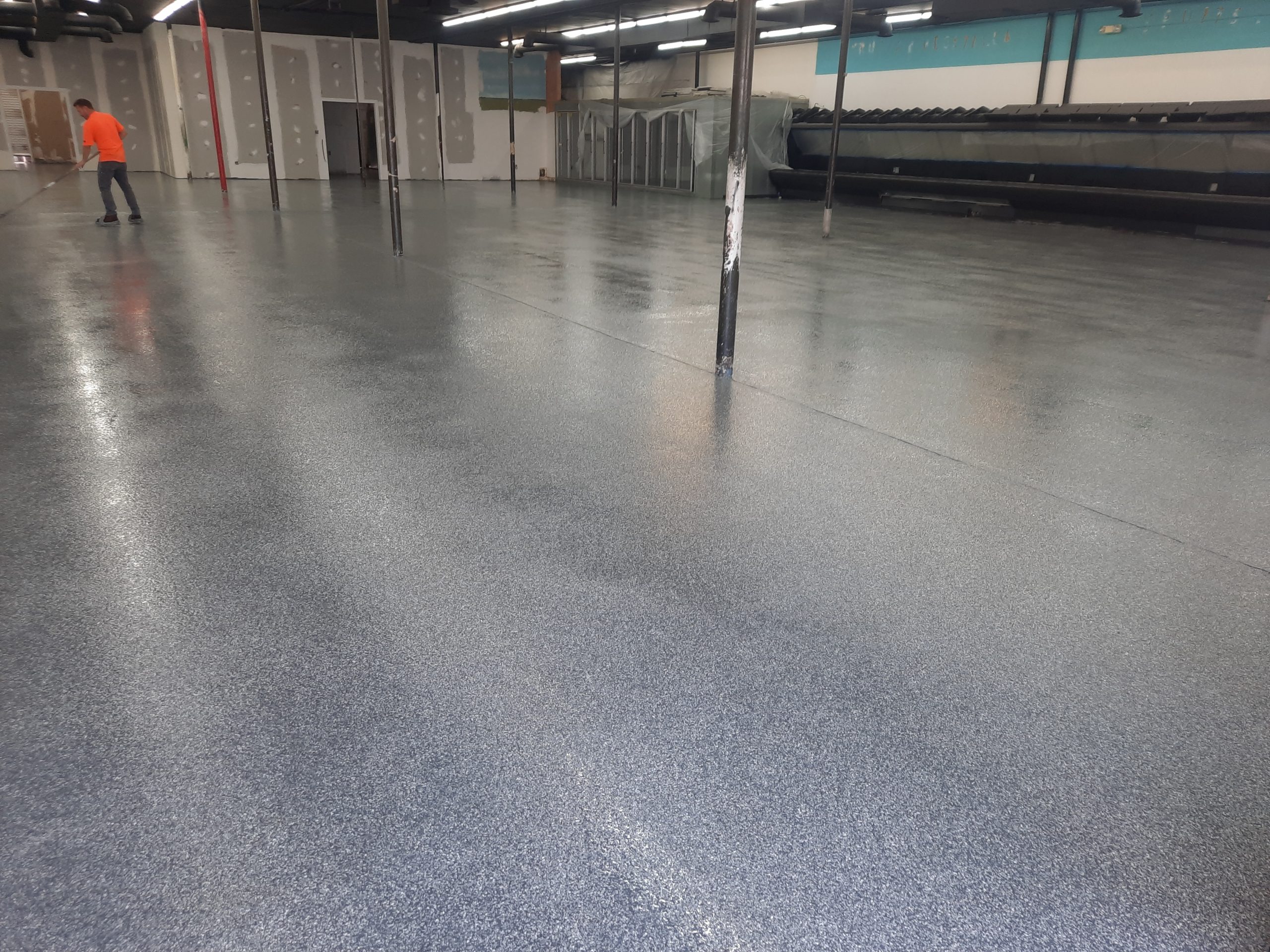
Commercial Floor Coating Options for Salt Lake City Businesses The floor in your Salt Lake City commercial space takes more abuse than any other surface in the building. Commercial floor coating in Salt Lake City protects concrete from chemical spills, heavy foot traffic, forklift damage, and the freeze-thaw cycles that Utah winters deliver. The right coating system keeps your facility looking professional while reducing maintenance costs and extending the life of your concrete floors by decades. Choosing between epoxy, polyurethane, and polyaspartic coatings depends on your industry, budget, and how much downtime you can afford during installation. This guide compares the leading commercial floor coating options so Salt Lake City business owners can make an informed decision. Epoxy Floor Coatings Epoxy remains the most widely used commercial floor coating in Salt Lake City for good reason. It delivers excellent chemical resistance, impressive durability, and a high-gloss finish that brightens any commercial space. Epoxy coatings consist of a resin and hardener that chemically bond to create a rigid, protective surface over your concrete. Best Applications for Epoxy Epoxy excels in warehouses, manufacturing facilities, automotive shops, and commercial kitchens where chemical resistance and easy cleaning are priorities. It handles heavy loads from forklifts and pallet jacks without cracking or peeling when properly installed. Food processing facilities appreciate epoxy’s seamless surface that eliminates grout lines and crevices where bacteria can hide. Epoxy Advantages and Limitations The durability-to-cost ratio makes epoxy the value leader among commercial coatings. A properly installed epoxy system lasts ten to twenty years in commercial environments. It resists chemicals, stains, and abrasion better than bare concrete or paint. The main limitation is cure time. Traditional epoxy requires 24 to 72 hours to cure before foot traffic and up to seven days before vehicle traffic. For businesses that cannot shut down for a week, faster-curing alternatives may be more practical. Chemical resistance: excellent against oils, solvents, and cleaning agents Durability: handles heavy equipment and high foot traffic Appearance: high-gloss finish with color and flake options Cost: most affordable per square foot among professional coatings Cure time: 24 to 72 hours for foot traffic, up to 7 days for full cure Polyurethane Floor Coatings Polyurethane coatings offer superior flexibility and UV resistance compared to epoxy. They bend with the concrete rather than cracking, making them ideal for surfaces that experience thermal movement or vibration. Polyurethane is often applied as a topcoat over epoxy base coats to combine the adhesion and chemical resistance of epoxy with the flexibility and UV stability of polyurethane. Best Applications for Polyurethane Polyurethane performs best in environments with temperature fluctuations, UV exposure, or where a softer, more impact-resistant surface is needed. Parking structures, outdoor commercial areas, pharmaceutical facilities, and food service environments benefit from polyurethane’s flexibility and FDA-compliant formulations. In Salt Lake City, where garage and warehouse floors experience significant temperature swings between summer and winter, polyurethane’s flexibility prevents the cracking that rigid coatings sometimes develop. Polyurethane Advantages and Limitations The flexibility of polyurethane makes it more forgiving on concrete that moves slightly with seasonal temperature changes. UV-stable formulations maintain their color and gloss even in spaces with skylights or open bay doors. However, polyurethane does not bond directly to concrete as well as epoxy, which is why it works best as a topcoat over an epoxy base. The material cost is higher than epoxy, and application requires more precise environmental conditions during installation. Polyaspartic Floor Coatings Polyaspartic coatings represent the newest generation of commercial floor coating technology. They cure in hours rather than days, allowing Salt Lake City businesses to minimize downtime during installation. A polyaspartic system can be applied and returned to service in a single day in many cases. Best Applications for Polyaspartic Businesses that cannot afford extended shutdowns choose polyaspartic for its rapid return-to-service timeline. Retail stores, medical facilities, restaurants, and any operation where every day of closure costs revenue benefit from same-day or next-day curing. Polyaspartic also works exceptionally well in cold weather, curing effectively at temperatures that would stall epoxy and polyurethane installations. This makes it a practical choice for Salt Lake City projects scheduled during fall and winter months. Polyaspartic Advantages and Limitations Speed is the defining advantage. A commercial space can be coated and open for business the next morning. Polyaspartic also offers excellent UV stability, chemical resistance, and abrasion resistance comparable to or exceeding epoxy. The primary limitation is cost. Polyaspartic materials cost more per square foot than epoxy, and the fast cure time demands experienced installers who can work efficiently before the material sets. The reduced downtime often offsets the higher material cost for businesses that measure lost revenue by the day. Choosing the Right Coating for Your Business The best commercial floor coating depends on your specific facility, industry, and operational constraints. Comparing these factors side by side helps Salt Lake City business owners narrow down the right choice. Industry-Specific Recommendations Warehouses and manufacturing: epoxy base with polyurethane topcoat for the best combination of durability and flexibility. Retail and healthcare: polyaspartic for minimal downtime and a bright, clean appearance. Automotive and industrial: heavy-duty epoxy with chemical-resistant topcoat. Food service: epoxy with antimicrobial additives and USDA-approved formulations. Each industry has specific requirements for slip resistance, chemical exposure, and regulatory compliance that your coating contractor should address in their proposal. Budget Considerations Epoxy offers the lowest material cost at three to seven dollars per square foot installed. Polyurethane topcoats add two to four dollars per square foot. Polyaspartic systems run five to ten dollars per square foot installed. However, total project cost includes surface preparation, which is the same regardless of coating type and often represents 30 to 50 percent of the total price. Compare coatings on total installed cost including prep, not just material price. Frequently Asked Questions How long does commercial floor coating last? Properly installed commercial floor coatings last ten to twenty years depending on traffic volume, chemical exposure, and maintenance practices. Epoxy and polyaspartic systems in moderate-traffic environments routinely exceed fifteen years. High-traffic areas