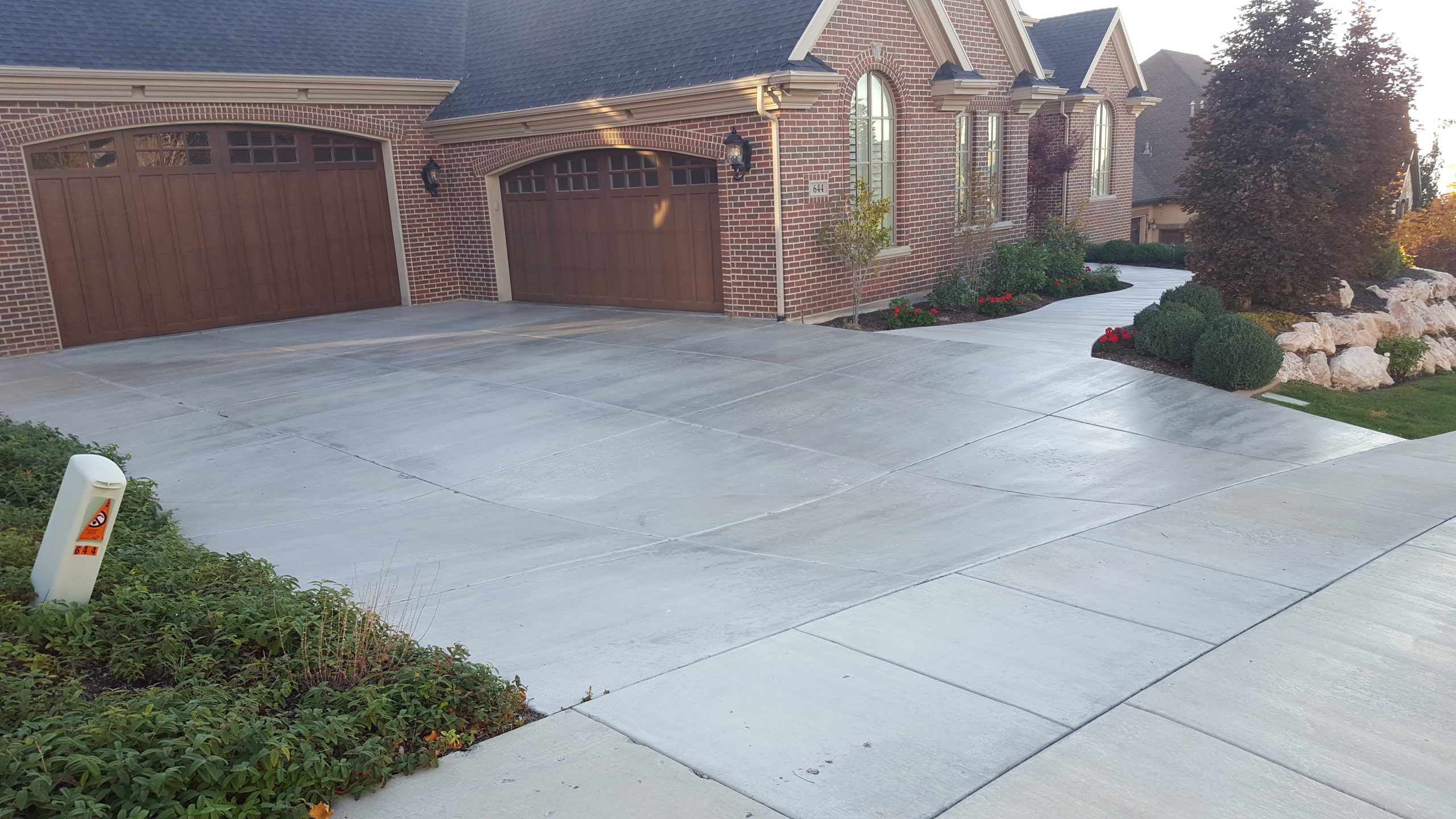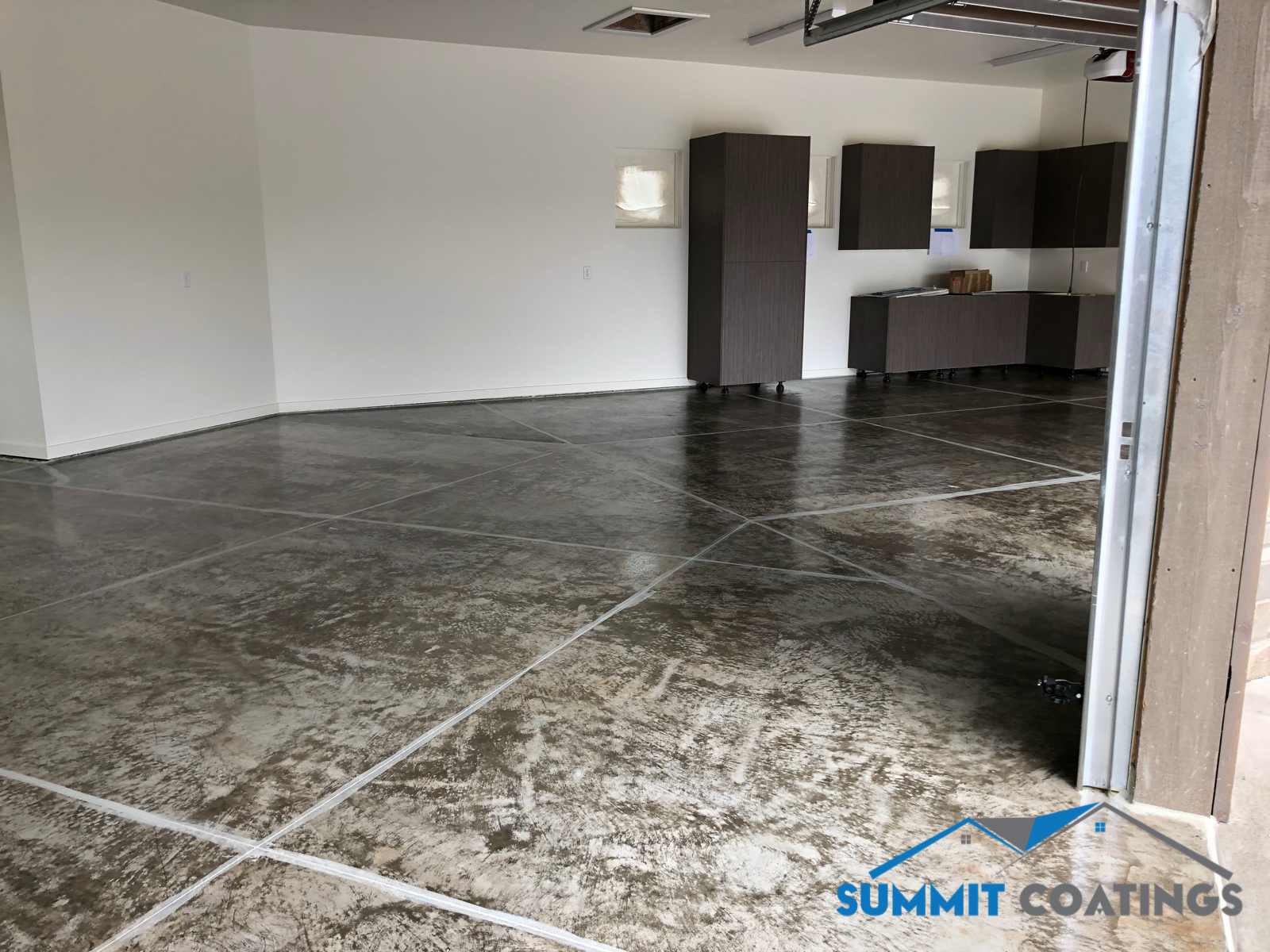
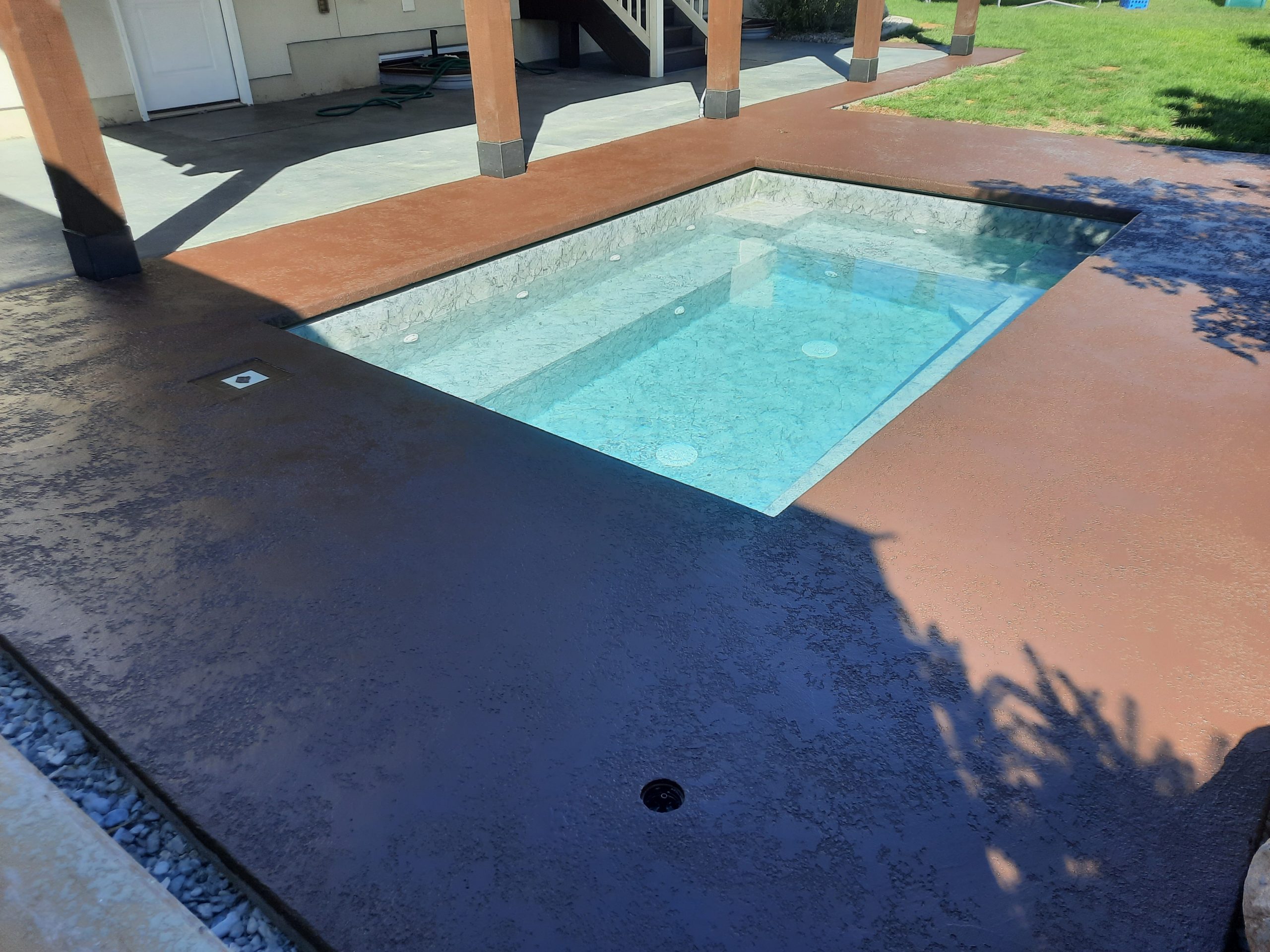
If you are asking how long do concrete overlays last, a single year count will not tell you much about your own surface. The useful answer starts with the existing slab, where water travels, how the area is used, and what changes you can see over time.
A concrete overlay is a specialized mixture applied over an existing concrete surface to create a renewed decorative finish. That means its performance is connected to both the new layer and the concrete underneath it. Use this checklist to organize what you know before discussing a project with Summit Coatings.
Start With the Concrete Under the Overlay
An overlay does not make the original slab disappear. The condition and movement of that slab remain part of the finished system. Before choosing colors or textures, record what is already happening.
Walk the area in normal daylight and note:
- Cracks you can see without opening or altering them
- Low areas where water appears to remain after ordinary weather
- Edges that meet soil, landscaping, walls, or other paving
- Places where the surface has lifted, settled, flaked, or changed color
- Previous patches or coatings that are still visible
This is an observation list, not a diagnosis. Do not grind, chip, probe, or cover a questionable area just to test it. A professional surface review can determine what preparation is appropriate for the actual slab.
For an overview of the service, visit Summit Coatings’ concrete overlays page.
Record Where Water Travels
Water exposure can vary across the same patio, walkway, or driveway. One edge may dry quickly while another stays shaded or collects runoff. A simple drainage sketch adds more value than a broad label such as “outdoor concrete.”
Draw the outline of the area and mark:
- Downspouts or irrigation that discharge nearby
- Slopes that direct water toward or away from the surface
- Joints between concrete and another material
- Areas that remain damp longer than the surrounding slab
- Snow storage or melt paths you can observe during normal use
Do not create a drainage path or alter grading as part of this checklist. The goal is to give the coating professional accurate context. Water movement, transitions, and edge details can affect how a project should be evaluated and prepared.
Match the Overlay to Everyday Use
“How long” also depends on what happens on top of the surface. A decorative patio, a vehicle path, and a walkway may all use concrete overlays, but they do not experience the same traffic.
Build a short use profile:
- People, pets, furniture, vehicles, or equipment that cross the area
- Items that regularly sit in one place
- Cleaning methods currently used
- Seasonal changes in use
- Areas exposed to direct sun or long periods of shade
- Spots where grit, leaves, or tracked material collects
Avoid turning these notes into a product choice on your own. They are inputs for selecting a system and finish that fit the setting. Summit Coatings can use the profile alongside a surface assessment.
Watch for Change, Not a Universal Countdown
A calendar alone cannot show how an individual overlay is performing. A better record compares the same locations over time. Take clear, dated photos from repeatable positions and keep them with your project information.
Pay attention to visible change such as:
- A crack or edge that looks different from the last photo
- A new hollow-looking, loose, or flaking area
- Water lingering in a place that usually dried
- A finish becoming uneven in a concentrated traffic path
- Separation near a transition, drain, step, or wall
Do not wait for a scheduled anniversary if you notice a meaningful change. Contact the installer or a coating professional and describe what you observed. Avoid making repairs over the area before it is evaluated because a quick cover can hide useful information.
Keep a Simple Maintenance Record
Maintenance is easier to evaluate when you know what was done. Save the system name, installation date, care guidance, and any later service notes in one place. Record routine cleaning without making unsupported assumptions about what every overlay needs.
A useful maintenance log includes:
- Date and type of routine cleaning
- Product names used on the surface
- Photos before and after a noticeable change
- Weather or use conditions connected to the observation
- Date you contacted a professional
- Recommendations supplied for your specific system
Follow the care instructions provided for the installed overlay. If those instructions are missing, ask before applying a cleaner, sealer, or treatment. Summit Coatings also provides concrete sealing services when that service fits the surface and project.
Create a One-Page Overlay Record
Keep the most useful facts on one page. Put the surface sketch at the top. Add the installation date if it is known. List the product or system name only when it appears in a real project record. Then place three repeat photos below the sketch.
Use plain labels such as “north edge,” “garage-side corner,” or “walkway joint.” These labels are easier to match to the surface than a folder full of unnamed images.
Your record can also include:
- The installer’s written care guidance
- Dates when routine cleaning was completed
- A note about normal traffic in each area
- Weather conditions tied to a visible change
- Questions saved for the next professional review
Do not erase an old entry when conditions change. Add a new dated note. A simple timeline helps you explain what changed and when. It also keeps a new owner or service professional from relying on memory alone.
Questions to Bring to a Surface Review
A focused conversation can replace guesswork with project-specific information. Bring your sketch, photos, and maintenance record, then ask:
- What condition is the existing slab in?
- Which visible issues need to be addressed before an overlay?
- How will edges, joints, and drainage transitions be handled?
- What use and exposure is the proposed system intended for?
- What care guidance applies to this exact finish?
- Which changes should prompt a follow-up review?
These questions do not promise a fixed lifespan. They help define the variables that matter and create a record you can use after installation.
Run a Five-Minute Visual Check
Pick one safe path around the surface. Use that path each time. Start at the same edge. Look down, then across the slab. Do not touch a loose spot.
Check the joints first. Then check the edges. Look near steps and walls. Note any new mark. Take one wide photo. Take one close photo. Add the date.
Next, check where water tends to move. Look after normal rain or snow melt. Do not add water for a test. Note which spots dry first. Note which spots stay damp.
Finish with the main walk or drive path. Compare it with a low-use edge. A change in one small zone may be easier to see this way.
Keep the check brief. The goal is a clear record. It is not a home repair task. If the surface looks unsafe, stop using that area. Share the notes with a professional.
Plan a Concrete Overlay Around the Real Surface
So, how long do concrete overlays last? The evidence-safe answer is that performance depends on the existing concrete, preparation, water movement, use, system selection, and care. A universal number cannot replace an assessment of your slab.
If you are considering a concrete overlay in Salt Lake City or another verified Utah service area, review Summit Coatings’ concrete overlay options and call the team with your surface notes ready. You will start the conversation with useful facts instead of a generic countdown.