Waterproof Deck Coating Options for Salt Lake City Homes A well-maintained deck is a valuable feature for any Salt Lake City home, but Utah’s harsh weather can take a serious toll on unprotected surfaces. Waterproof deck coating in Salt Lake City shields your deck from snow, rain, UV exposure, and temperature extremes that cause cracking, warping, and rot. Whether you have a wood deck, composite, or concrete balcony, the right waterproofing system extends its life and keeps it looking great. This guide covers your options, what to expect from the process, and how to choose the right solution for your home. Why Deck Waterproofing Is Essential in Utah Salt Lake City’s climate is tough on outdoor surfaces. Heavy snowfall in winter, spring rain, intense summer sun at high elevation, and dramatic temperature swings throughout the year all contribute to deck degradation. Without proper deck waterproofing, moisture seeps into the deck surface and substrate, leading to: Wood rot and structural weakening Cracking and delamination of concrete or composite surfaces Mold and mildew growth in shaded areas Freeze-thaw damage that accelerates surface breakdown UV fading and chalking that makes surfaces look worn Homes in areas like Sandy, Draper, and Park City see even more snow accumulation and freeze-thaw cycles than valley-floor homes, making deck protection an essential investment. Types of Waterproof Deck Coatings Several coating systems are designed for deck waterproofing, each with specific advantages depending on your deck’s material and your performance needs. Polyurethane Deck Coatings Polyurethane coatings create a seamless, flexible membrane that bonds directly to the deck surface. They expand and contract with temperature changes, which is critical for Salt Lake City’s wide temperature range. Polyurethane systems are highly resistant to UV damage, foot traffic, and standing water. They work well on both wood and concrete decks. Elastomeric Coatings Elastomeric coatings are thick, rubber-like membranes that stretch over cracks and bridge gaps in the substrate. They provide excellent waterproofing and can handle the movement that occurs in older decks with existing hairline cracks. These coatings are typically applied in multiple layers for maximum durability. Epoxy-Based Deck Coatings Epoxy coatings provide exceptional adhesion and chemical resistance. While they are stiffer than polyurethane or elastomeric options, they work well on concrete balconies and above-living-space decks where a hard, durable surface is preferred. When combined with a flexible topcoat, epoxy systems offer both durability and weather resistance. Fiberglass Reinforced Systems For decks that require the highest level of waterproofing, such as those over living spaces or rooftop decks, fiberglass reinforced systems embed a fiberglass fabric within the coating for added strength and puncture resistance. These systems provide a permanent waterproof barrier that handles heavy foot traffic and furniture without compromise. The Waterproofing Process Professional deck waterproofing follows a systematic process that ensures long-lasting results. Inspection and Preparation The process begins with a thorough inspection of your deck’s structure and surface condition. Loose boards, rotted sections, and structural issues are addressed before any coating work begins. The surface is cleaned, repaired, and prepped to ensure proper coating adhesion. Primer Application A bonding primer is applied to the clean, dry surface. The primer creates a strong connection between the deck substrate and the waterproof membrane, which is essential for long-term performance. Coating Installation The waterproof coating is applied in multiple layers, with each layer allowed to cure before the next is added. Reinforcement materials like fiberglass or polyester fabric are embedded during this stage if required. Edges, joints, and penetrations like railing posts receive additional attention and flashing to prevent water intrusion at these vulnerable points. Topcoat and Finish A UV-resistant topcoat is applied as the final layer. This protects the waterproof membrane from sun damage and provides the walking surface. Topcoats are available in various colors and textures, including slip-resistant finishes that are important for safety during Utah’s wet and snowy months. How Long Does Deck Waterproofing Last? According to industry standards from the International Concrete Repair Institute, professionally applied deck waterproofing systems typically last ten to twenty years depending on the system used, climate exposure, and maintenance. In Salt Lake City’s demanding conditions, choosing a high-quality system installed by experienced professionals maximizes your return on investment. Frequently Asked Questions Can a waterproof deck coating be applied to an existing deck? Yes. Most waterproof deck coatings can be applied to existing wood, concrete, or composite decks as long as the structure is sound and the surface is properly prepared. Any existing coatings or stains that are failing need to be removed first. What is the best time of year to waterproof a deck in Salt Lake City? Late spring through early fall is the ideal window when temperatures are consistently between 50 and 90 degrees Fahrenheit and rain is less frequent. Most coating systems need forty-eight to seventy-two hours of dry weather to cure properly. which factors does deck waterproofing impact? impacts vary based on deck size, condition, the coating system chosen, and any structural repairs needed. Professional waterproofing is a fraction of the impact of replacing a damaged deck and provides years of protection. Contact a local specialist for a customized estimate based on your specific situation. Can I walk on the deck during the coating process? No. The deck will be off-limits during installation and for twenty-four to seventy-two hours after the final coat is applied, depending on the system used. Your installer will provide a specific timeline so you can plan accordingly. Contact Summit Coatings Today Protect your deck from Utah’s demanding climate with professional waterproof coatings. Summit Coatings serves homeowners in Salt Lake City, Sandy, Draper, Lehi, Provo, Orem, Park City, and throughout the Wasatch Front. We assess your deck’s needs and install the right waterproofing system for lasting protection. Contact Summit Coatings today for a free deck assessment and take the first step toward a protected, beautiful outdoor space.
Concrete Sealing: Why Your Salt Lake City Driveway Needs It
Concrete Sealing: Why Your Salt Lake City Driveway Needs It Your driveway is one of the first things people see when they visit your Salt Lake City home, and it takes a serious beating from Utah’s freeze-thaw cycles, road salt, and intense summer sun. Concrete sealing in Salt Lake City is one of the smartest preventive investments you can make to protect your driveway, patio, or walkway from cracking, staining, and premature deterioration. This guide explains why sealing matters, how often to do it, and what to expect from the process. Why Concrete Sealing Matters in Salt Lake City Unprotected concrete is porous. It absorbs water, oils, deicers, and other substances that break it down over time. In Salt Lake City’s climate, the freeze-thaw cycle is particularly destructive. Water seeps into the concrete pores during wet weather, then expands as it freezes during cold nights. This expansion creates micro-cracks that grow larger each season. What a Driveway Sealer Protects Against A quality concrete sealer creates a barrier that shields your surfaces from the most common sources of damage: Freeze-thaw damage: Sealed concrete resists water penetration, preventing the freeze-thaw cycle from cracking your driveway Road salt and deicers: Salt Lake City winters bring heavy use of road salt, which causes spalling and surface deterioration in unsealed concrete Oil and automotive stains: Sealed surfaces resist oil, transmission fluid, and antifreeze stains that permanently discolor bare concrete UV damage: Summer sun at Utah’s elevation is intense. UV-resistant sealers prevent fading and surface chalking Weed growth: Sealing fills tiny cracks and joints where weeds take root Types of Concrete Sealers Not all sealers are the same. The right choice depends on your surface type, desired appearance, and performance requirements. Penetrating Sealers Penetrating sealers soak into the concrete and chemically react to create a water-repellent barrier below the surface. They do not change the appearance of the concrete and provide excellent concrete protection without a glossy look. These are ideal for driveways and walkways where you want a natural appearance with invisible protection. Acrylic Sealers Acrylic sealers form a thin film on the concrete surface that enhances color and adds a subtle sheen. They are more affordable and easier to apply, but they do not last as long as other options. Reapplication is needed every one to three years depending on traffic and exposure. Polyurethane and Epoxy Sealers These high-performance sealers create a thick, durable coating that provides superior protection against chemicals, abrasion, and staining. They are more commonly used on garage floors and interior surfaces but can also be used on outdoor concrete where maximum durability is needed. The Concrete Sealing Process Professional sealing is a straightforward process, but the preparation work is what makes the difference between a sealer that lasts and one that peels. Surface Cleaning The concrete must be thoroughly cleaned before any sealer is applied. This includes pressure washing to remove dirt, stains, and biological growth. Any oil stains are treated with a degreaser. Existing failed sealer is stripped if present. The surface must be completely dry before sealer application. Crack and Joint Repair Any visible cracks are filled with a flexible concrete repair compound. Expansion joints are cleaned and resealed with backer rod and caulk. Addressing these issues before sealing prevents water from bypassing the sealer through open cracks. Sealer Application The sealer is applied by roller, sprayer, or a combination of both. Most sealers require two coats applied in thin, even layers. The second coat is applied perpendicular to the first to ensure complete coverage. Application is done on a dry day with temperatures between 50 and 90 degrees Fahrenheit, which lines up well with Salt Lake City’s spring and fall conditions. When and How Often to Seal Your Concrete The American Concrete Pavement Association recommends sealing concrete surfaces based on the type of sealer used and the level of exposure: Penetrating sealers: Every five to ten years Acrylic sealers: Every one to three years Epoxy and polyurethane sealers: Every five to ten years depending on traffic For Salt Lake City driveways, the best time to seal is in the spring after the last freeze or in the early fall before winter sets in. This gives the sealer time to fully cure before exposure to extreme weather. Frequently Asked Questions How long does concrete sealing take? A typical residential driveway can be cleaned and sealed in one day. The sealer needs twenty-four to forty-eight hours to cure before vehicle traffic. Foot traffic is usually safe after four to eight hours depending on the product used. Can I seal new concrete? New concrete should cure for at least twenty-eight days before sealing. Sealing too early traps moisture inside the slab and can cause the sealer to fail or the concrete to develop cosmetic issues. Is concrete sealing worth the cost? Absolutely. The cost of sealing your driveway is a fraction of the cost of repairing or replacing damaged concrete. In Salt Lake City’s harsh climate, sealed driveways can last decades longer than unsealed ones. It is one of the highest-return preventive maintenance investments you can make for your home’s exterior. What is the difference between concrete sealing and coating? Sealing penetrates into or forms a thin film on the concrete surface for protection, while coating applies a thicker layer that changes the surface appearance and texture. Sealers are typically used on exterior surfaces like driveways, while coatings like epoxy are more common on garage floors and interior spaces. Contact Summit Coatings Today Protect your investment from Salt Lake City’s tough weather conditions. Summit Coatings provides professional concrete sealing services for driveways, patios, walkways, and pool decks throughout Salt Lake City, Sandy, Draper, Park City, and the surrounding Wasatch Front communities. Contact Summit Coatings today for a free assessment and keep your concrete looking great for years to come.
Epoxy Garage Floor Coating: A Guide for Salt Lake City Homeowners
Epoxy Garage Floor Coating: A Guide for Salt Lake City Homeowners Your garage floor takes a beating from road salt, car fluids, heavy tools, and foot traffic. If you are considering an epoxy garage floor in Salt Lake City, you are choosing one of the best ways to protect your concrete while transforming your garage into a clean, professional-looking space. This comprehensive guide covers the benefits of epoxy coating, the preparation process, finish options, and whether to go professional or DIY for your Salt Lake City home. Why Epoxy Garage Floor Coating Is Worth It Epoxy is a thermosetting resin that bonds to concrete at a molecular level, creating an extremely durable surface that resists stains, impacts, chemicals, and abrasion. For Salt Lake City homeowners, garage floor coating is especially valuable because of the harsh conditions our garages endure. Benefits for Salt Lake City Homes Here is why epoxy is the go-to choice for garage floors in our area: Road salt resistance: Salt Lake City winters mean road salt tracked into your garage. Epoxy seals the concrete so salt cannot penetrate and cause spalling or deterioration Stain protection: Oil, antifreeze, and other automotive fluids wipe right off an epoxy surface instead of soaking into bare concrete Crack and chip resistance: Epoxy creates a tough layer that prevents minor impacts from damaging the concrete beneath Easy cleaning: Sweep or mop your garage in minutes instead of scrubbing stained concrete Improved appearance: Choose from dozens of colors and finishes that make your garage look as polished as the rest of your home The Epoxy Flooring Process A proper epoxy installation is not just painting your floor. The preparation is what separates a coating that lasts a decade from one that peels in the first year. Surface Preparation This is the most critical step. Professional installers diamond-grind the concrete surface to create a rough profile that the epoxy can grip. This process removes any existing coatings, sealer, or contaminants and opens the concrete pores for maximum adhesion. Grinding also levels minor imperfections and smooths out rough spots. For Salt Lake City homes, moisture testing is also important. Our area’s soil conditions and occasional high water tables mean some garage slabs have moisture issues that must be addressed before coating. A professional installer tests for moisture vapor transmission and recommends solutions if levels are too high. Crack and Damage Repair Before the epoxy goes down, any cracks, spalls, or joints in the concrete are repaired with specialized fillers. This creates a smooth, uniform substrate that ensures the epoxy coat looks flawless and performs properly. Primer Coat A primer or base coat penetrates into the concrete and creates a strong bond between the substrate and the epoxy topcoat. Some systems use a self-priming epoxy that combines this step with the base coat. Epoxy Application The epoxy is mixed and applied in one or two coats depending on the system. During this stage, decorative elements like color flakes, metallic pigments, or quartz granules are broadcast into the wet epoxy. These additions provide both aesthetic appeal and additional texture for slip resistance. Clear Topcoat A polyurethane or polyaspartic clear topcoat seals the system and provides UV protection, gloss retention, and additional chemical resistance. This top layer is what gives epoxy floors their signature shine and makes them so easy to clean. Color and Finish Options Modern epoxy systems offer far more than solid gray. Here are the most popular options Salt Lake City homeowners choose: Solid colors: Clean and classic, available in everything from light gray to deep charcoal Flake systems: Multi-colored vinyl flakes broadcast into the epoxy create a terrazzo-like appearance that hides dirt and adds texture Metallic epoxy: Pearlescent pigments create a one-of-a-kind swirled finish that resembles polished stone or flowing lava Quartz systems: Colored quartz granules provide maximum slip resistance and a natural stone look Professional vs. DIY: Making the Right Choice Big box store epoxy kits make it tempting to tackle this project yourself, but the results are dramatically different from a professional installation. DIY kits typically use thinner epoxy formulations that do not bond as well and wear through faster. They also skip the diamond grinding step, which is the single most important factor in coating longevity. According to the Concrete Network, proper surface preparation accounts for more than seventy percent of a coating’s long-term performance. Professional installations use commercial-grade materials, professional grinding equipment, and proven application techniques that result in a coating lasting ten to twenty years or more. For Salt Lake City’s demanding conditions, professional installation is the clear winner for long-term value. Frequently Asked Questions How long does an epoxy garage floor last? A professionally installed epoxy floor typically lasts ten to twenty years with normal use. Factors like traffic volume, chemical exposure, and whether the floor was properly prepared all affect longevity. Hot tire pickup is minimized with polyaspartic topcoats, which we recommend for all garage applications. How long does the installation take? Most residential garage floors are completed in one to two days. The floor needs an additional twenty-four to seventy-two hours of cure time before vehicles can drive on it. Your installer will provide specific timelines based on the system used and current weather conditions. Can epoxy be applied over stained or damaged concrete? Yes, in most cases. Diamond grinding removes surface stains and minor damage. Deeper issues like cracks or spalls are repaired as part of the preparation process. The only condition that prevents epoxy application is excessive moisture migration through the slab, which needs to be addressed first. Is epoxy slippery when wet? Standard epoxy can be slippery when wet, but adding texture through flake systems, quartz granules, or anti-slip additives in the topcoat provides excellent traction. We recommend textured finishes for all garage applications. Contact Summit Coatings Today Transform your garage with a professional epoxy floor coating that looks great and protects your concrete for years. Summit Coatings serves homeowners throughout Salt Lake City, Sandy, Draper, Lehi, Provo, and surrounding communities with
Epoxy Garage Floors: The Best Way to Protect Against Winter Salt and Moisture
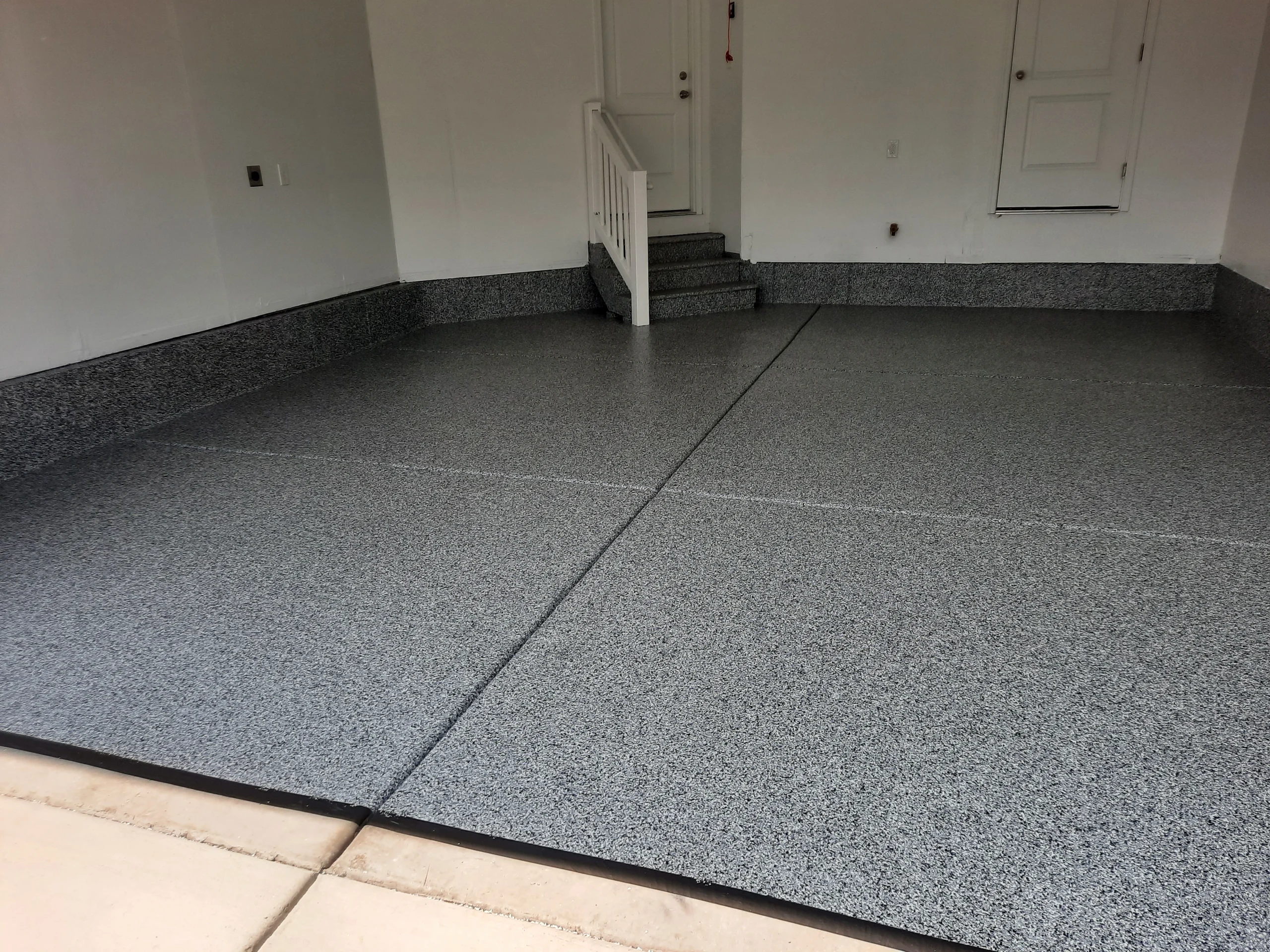
If you’ve lived through a Utah winter, you know how damaging salt, snow, and moisture can be—not just outside, but inside your garage. When your car brings in slush and salt from the roads, it sits on your garage floor and begins eating away at the surface. That’s where epoxy garage floors come in. At Summit Coatings, we install durable, professional-grade epoxy flooring in Utah that stands up to winter’s toughest conditions while adding sleek style to your home. Here’s why epoxy is the best choice for protecting your garage this winter. 1. Shields Concrete from Salt and Water Damage Road salt is highly corrosive. When melted snow from your vehicle drips onto bare concrete, salt seeps into the surface, causing pitting and cracking over time. Epoxy creates a seamless, non-porous barrier that blocks moisture and salt from penetrating. Your concrete stays protected, no matter how many snowy days you drive through. 2. Easier to Clean and Maintain An epoxy floor makes cleaning winter messes effortless. Instead of scrubbing stains, you can simply sweep or rinse away dirt, salt, and slush. Its glossy finish repels liquids, preventing oil, chemicals, and water from soaking in. That means no more unsightly stains or musty smells from trapped moisture. 3. Prevents Cracks and Structural Wear Bare concrete expands and contracts as temperatures fluctuate, leading to stress cracks. Epoxy adds strength and flexibility, helping your garage floor withstand thermal changes and heavy vehicle traffic. With proper installation, an epoxy floor can last 15–20 years—making it one of the most durable flooring options available in Utah. 4. Adds Value and Visual Appeal Beyond protection, epoxy flooring transforms your garage into a bright, clean, and modern space. Available in custom colors, metallics, and decorative flakes, it’s a major upgrade from dull gray concrete. Many homeowners in Utah choose epoxy for its aesthetic impact and resale value—it’s both functional and eye-catching. 5. Safer for Winter Use Epoxy can be finished with slip-resistant additives, providing extra traction during snowy months. No more slick, wet garage floors when you park after a storm. Its reflective surface also improves lighting in your garage, making it safer and more enjoyable to work in year-round. Why Choose Summit Coatings for Epoxy Garage Floors in Utah At Summit Coatings, we specialize in high-performance epoxy flooring installations that are built for Utah’s climate. Our process includes surface preparation, moisture testing, and multi-layer coating systems to ensure long-lasting durability and beauty. Whether you want a solid color finish or a decorative flake system, we tailor every job to your style, budget, and home. We’re a local Utah company dedicated to craftsmanship, honesty, and superior materials—so your garage floor looks amazing and performs even better. Schedule Your Epoxy Garage Floor Installation in Utah This winter, protect your garage from salt, moisture, and wear with a durable epoxy coating. Call Summit Coatings today to schedule your epoxy garage floor installation in Utah. Our team will help you choose the right finish, prep your surface, and install a flawless, long-lasting floor that keeps your garage beautiful all year. FAQ Q: How long does epoxy flooring take to install?A: Most projects take 2–3 days from prep to cure time. Q: Can epoxy floors handle Utah’s winter salt?A: Absolutely—epoxy’s non-porous surface blocks salt and moisture, protecting concrete from corrosion and cracking.
5 Reasons to Seal Your Concrete Before Winter Hits
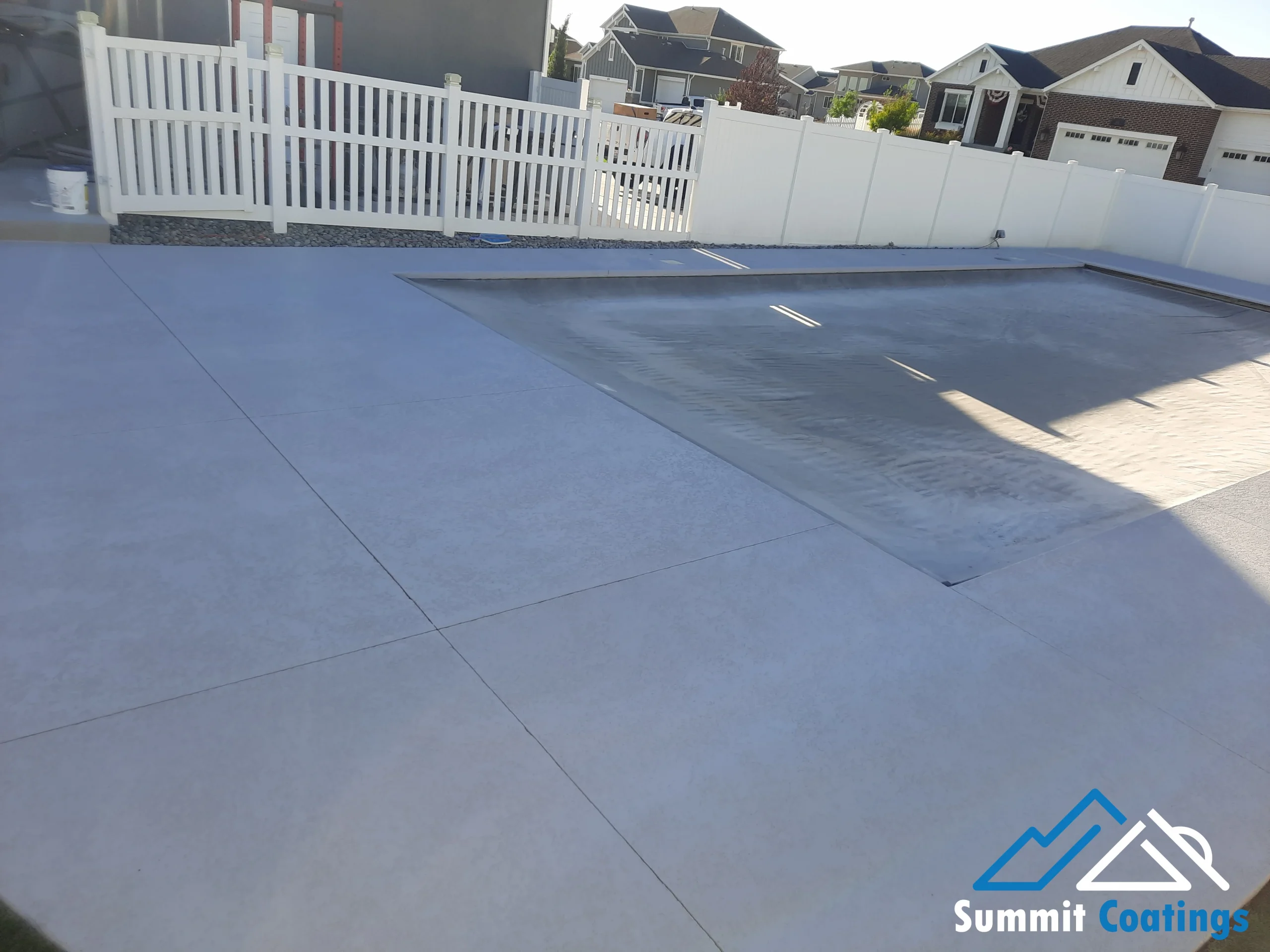
Utah winters are beautiful—but tough on concrete. Between snow, ice, and de-icing salt, your driveway, patio, and walkways take a serious beating every season. If your concrete isn’t sealed, moisture seeps into tiny pores, freezes, and expands—causing cracks and surface damage that only get worse over time. At Summit Coatings, we specialize in professional concrete sealing in Utah designed to protect and preserve your investment. Here are five key reasons to seal your concrete before winter arrives. 1. Prevent Cracking and Surface Damage When temperatures fluctuate between freezing nights and sunny days, moisture inside your concrete expands and contracts. This “freeze-thaw cycle” is the number-one cause of cracking. A high-quality concrete sealer creates a waterproof barrier that prevents moisture from penetrating. By sealing in the fall, you’ll help your surfaces resist Utah’s harsh winter elements and maintain their structural integrity. 2. Protect Against Salt and Chemical Damage Utah roads and driveways are regularly treated with salt and de-icers that can eat away at unsealed concrete. These chemicals cause pitting, scaling, and discoloration that weaken the surface over time. Sealing provides a protective coating that blocks salt absorption and keeps your concrete smooth and strong throughout the season. Pro Tip: Choose a penetrating or acrylic sealer rated for freeze-thaw protection—it’s designed specifically for Utah’s climate. 3. Extend the Life of Your Driveway or Patio Concrete sealing isn’t just about winter protection—it’s about long-term savings. Regular sealing every two to three years can double the lifespan of your concrete. That means fewer repairs, less maintenance, and better-looking surfaces for decades. At Summit Coatings, we use industrial-grade sealers that last longer and resist UV damage, keeping your concrete looking new year-round. 4. Enhance Appearance and Curb Appeal Beyond protection, sealing brings out the natural color and texture of your concrete. Whether you have decorative stamped concrete or a clean modern finish, sealant adds a subtle sheen that enhances visual appeal. It’s an easy way to boost curb appeal—just in time for holiday guests or potential buyers. 5. Make Snow and Ice Removal Easier Sealed surfaces are smoother and less porous, which means snow and ice don’t bond as easily. That makes winter maintenance easier and helps prevent slip hazards. After sealing, you’ll find that shoveling and de-icing require less effort—and your driveway will dry faster after each storm. Why Utah Homeowners Choose Summit Coatings With years of experience serving communities across northern and central Utah, Summit Coatings delivers professional concrete sealing that’s built to last. We use premium materials and proven application techniques to protect your concrete from moisture, salt, and UV damage. Whether it’s a driveway, pool deck, patio, or commercial lot, we treat every project with the same precision and care. Schedule Your Concrete Sealing in Utah Today Don’t wait until cracks appear this winter. Call Summit Coatings today to schedule your concrete sealing service in Utah. Our experts will evaluate your surfaces, recommend the right sealer, and apply it with professional precision—before freezing temperatures set in. FAQ Q: How often should I seal my concrete?A: Every 2–3 years for driveways and patios, depending on exposure and traffic. Q: Can I seal concrete myself?A: DIY products exist, but professional application ensures even coverage and longer-lasting protection.
The Benefits of Waterproof Deck Coatings in Utah’s Climate
At Summit Coatings, we understand the value of outdoor living spaces, especially here in Utah, where decks provide a perfect place to enjoy the beautiful scenery and seasonal weather. However, exposure to rain, snow, sun, and temperature swings can take a toll on your deck over time. Applying a waterproof deck coating is an essential step for protecting your deck and extending its lifespan. If you’re considering waterproof deck coatings in Salt Lake City or exploring deck waterproofing services in Utah, here’s why a waterproof coating is a must for your home. 1. Protection Against Weather Damage Utah’s climate can be extreme, with hot summers, cold winters, and occasional heavy rain. Over time, these conditions can lead to warping, cracking, and deterioration of wood or concrete decks. Waterproof deck coatings create a barrier that prevents moisture from seeping into your deck, protecting it from damage caused by water, snow, and ice. This barrier helps maintain the structural integrity of your deck and keeps it safe for use year-round. 2. Preventing Rot and Mold Water penetration can lead to rot and mold growth, especially in shaded areas or near soil contact. A waterproof coating seals the surface and prevents water from entering the material, significantly reducing the risk of rot and mildew. This protection is particularly important in Utah’s wetter seasons, ensuring that your deck remains durable and safe for family use. 3. Extending Deck Lifespan By keeping moisture, UV rays, and chemicals away from your deck, waterproof coatings help extend its lifespan. They reduce the likelihood of splitting, fading, and other forms of deterioration, meaning your deck can continue to provide enjoyment for years without costly repairs or replacement. For homeowners investing in their property, this is a practical and cost-effective solution. 4. Improved Safety Slippery decks can pose a hazard, especially when wet from rain or snow. Many waterproof deck coatings include a textured finish that increases traction, reducing the risk of slips and falls. This added safety feature is especially important in Utah, where seasonal weather can make surfaces slick and dangerous. 5. Enhanced Appearance Waterproof deck coatings also enhance the natural beauty of your deck. They help maintain the color and finish of the surface, preventing fading from UV exposure and protecting against staining from spills or debris. With a waterproof coating, your deck stays vibrant and inviting, making it a beautiful extension of your home. 6. Reduced Maintenance A waterproof coating makes routine cleaning easier and helps prevent long-term damage. By protecting your deck from moisture and debris, you can spend less time on maintenance and more time enjoying your outdoor space. It also reduces the need for frequent sanding, staining, or repairs, saving you time and effort over the life of your deck. 7. Increased Home Value A well-maintained deck adds both functionality and value to your home. Waterproof deck coatings show that your outdoor spaces have been properly cared for, which can appeal to potential buyers if you ever decide to sell. In addition to preserving your deck, it also enhances the overall aesthetic of your property. Conclusion For Utah homeowners, protecting your deck from the elements is essential. Waterproof deck coatings in Salt Lake City provide the ultimate protection against moisture, sun, and wear while improving safety and maintaining your deck’s appearance. Investing in deck waterproofing services in Utah ensures your outdoor living space remains beautiful, durable, and enjoyable for years to come. Contact Summit Coatings today to learn more about our deck coating solutions and how we can help safeguard your outdoor spaces. Visit Summit Coatings for details.
Why Epoxy Garage Floors Are Perfect for Utah Homes
At Summit Coatings, we understand that a garage is more than just a place to park your car—it’s a workspace, storage area, and sometimes even a recreation space. In Utah, where garages face a wide range of weather conditions, including snow, rain, and temperature fluctuations, protecting your concrete floors is essential. Residential epoxy flooring offers the perfect solution. If you’re looking for epoxy garage floor coatings in Salt Lake City or want to upgrade your home with residential epoxy flooring in Utah County, here’s why epoxy is the ideal choice. 1. Durability That Lasts Epoxy garage floor coatings are renowned for their strength and durability. Unlike bare concrete, which can crack, chip, and stain over time, epoxy forms a robust surface that resists damage from heavy vehicles, dropped tools, and daily wear and tear. In Utah homes, where the freeze-thaw cycles and harsh winters can affect concrete, epoxy acts as a protective layer, keeping your garage floor looking pristine year after year. 2. Easy Maintenance One of the main advantages of epoxy flooring is how simple it is to maintain. Dust, dirt, oil, and chemicals that often spill in garages are easy to clean from a sealed epoxy surface. A simple sweep and occasional mop with mild detergent are typically enough to keep the floor spotless. For busy Utah homeowners, this low-maintenance solution saves time and prevents stains from settling into the concrete. 3. Enhanced Safety Epoxy coatings can include anti-slip additives, making your garage safer to walk on, even when the floor is wet. This is especially important in Utah, where rain and melting snow can create slick surfaces. The improved traction from epoxy reduces the risk of slips and falls while maintaining a smooth, professional appearance. 4. Aesthetic Appeal Epoxy garage floors aren’t just functional—they’re visually appealing. Available in a variety of colors, flakes, and finishes, epoxy flooring can completely transform the look of your garage. Whether you want a classic gray, a bold color, or decorative flakes to hide imperfections, epoxy provides a polished and attractive surface that complements your home’s style. 5. Chemical and Stain Resistance Garages often see spills from oil, gasoline, and other chemicals that can damage unprotected concrete. Epoxy flooring is highly resistant to stains and chemical exposure, ensuring that your garage floor maintains its integrity and appearance even under heavy use. This protection is a critical benefit for homeowners who use their garage as a workshop or storage space for automotive supplies. 6. Increased Home Value A well-maintained, stylish garage adds value to your home. Potential buyers often see epoxy garage floors as a premium feature, indicating that the home has been cared for and upgraded. Installing epoxy flooring can enhance curb appeal and make your home more attractive to prospective buyers in Utah County. 7. Cost-Effective Investment While epoxy garage floors are an upfront investment, the long-term benefits make them cost-effective. Their durability, low maintenance requirements, and stain resistance mean fewer repairs and replacements over time. For Utah homeowners, epoxy flooring is a practical solution that protects your garage while maintaining its appearance for years. Conclusion For Utah homeowners looking to enhance their garage’s durability, safety, and appearance, epoxy garage floor coatings in Salt Lake City offer a reliable, long-lasting solution. With benefits like easy maintenance, chemical resistance, and improved aesthetics, residential epoxy flooring in Utah County is a smart choice for any home. Contact Summit Coatings today to learn how we can transform your garage with high-quality epoxy flooring. Visit Summit Coatings for more information.
How to Maintain Your Decorative Concrete Year-Round
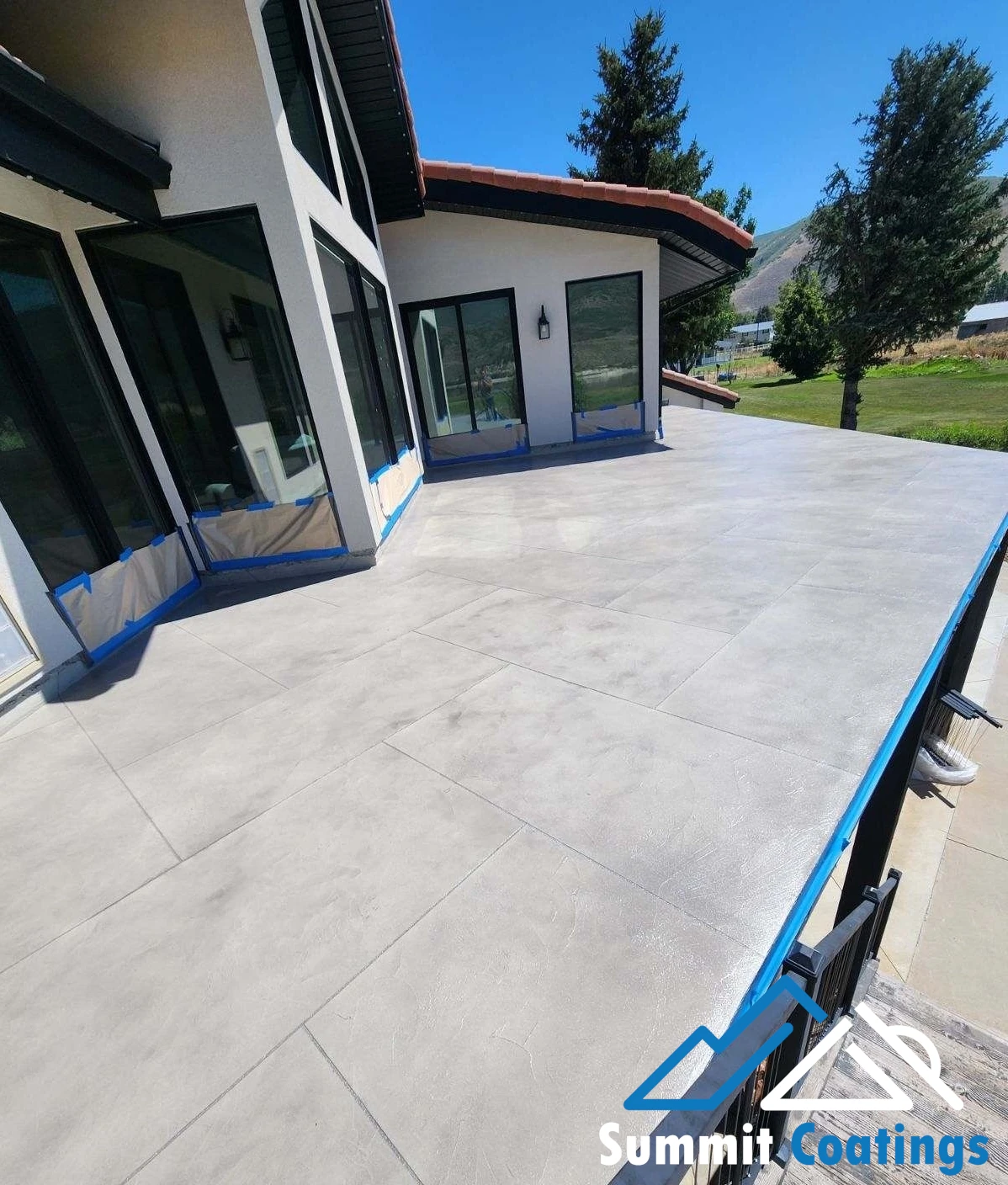
At Summit Coatings, we know that decorative concrete—whether stamped, stained, or customized—adds beauty and durability to your home or business. However, to keep it looking great, regular maintenance is essential, especially in Utah’s challenging climate. If you’re wondering about decorative concrete maintenance tips in Utah or how to care for stamped or stained concrete, here’s how to maintain your decorative concrete year-round. 1. Regular Cleaning Cleaning your decorative concrete regularly is key to preserving its appearance. Sweep the surface often to remove dirt, dust, and debris, and wash it with a mild detergent and a soft mop or cloth. Avoid harsh chemicals or abrasive tools, which can damage the finish. For tougher stains, a pressure washer can be used, but ensure the pressure is low to avoid damage. 2. Sealing Your Decorative Concrete Sealing is one of the most important steps in maintaining your decorative concrete. It creates a protective layer against moisture, dirt, and UV rays, helping preserve color and prevent damage. Reseal your concrete every 1-3 years, depending on foot traffic and exposure to the elements. Always clean the surface before resealing for the best results. 3. Protecting Against Salt and Chemicals Utah winters often involve road salt, which can damage decorative concrete. To protect your concrete, use a concrete-safe ice melt or sand instead of traditional salt. After the season, rinse the surface to remove any salt residue. Applying a protective coating can also help guard against chemical damage. 4. Avoid Abrasive Materials Avoid using abrasive materials like steel wool, sandpaper, or harsh scrubbing brushes, as they can scratch or damage the surface. Instead, use soft brushes or microfiber cloths for cleaning. For high-traffic areas, consider using rugs or mats to prevent dirt and grit from causing abrasion. 5. Addressing Stains Promptly Stains are inevitable, but cleaning them quickly helps prevent permanent damage. For stamped or stained concrete, use the appropriate cleaner for each type of stain, such as a degreaser for oil or a rust remover for rust stains. Always test cleaning products on a small area first to ensure they won’t harm the finish. 6. Repairing Cracks and Damage Cracks and chips may occur over time, especially due to Utah’s freeze-thaw cycles. If you notice cracks, fill them promptly with a concrete patching compound. After repairing, reseal the area to maintain the appearance and prevent further damage. For larger cracks, it’s best to consult a professional for repairs. 7. Shade and UV Protection Utah’s strong UV rays can cause fading and deterioration of decorative concrete. If possible, provide shade using furniture, umbrellas, or canopies. Applying a UV-resistant sealer will also protect your stamped or stained concrete from the sun’s harsh effects, helping it maintain its vibrant look. By following these decorative concrete maintenance tips in Utah, such as regular cleaning, resealing, and protecting against weather conditions, you can keep your stamped or stained concrete looking beautiful year-round. At Summit Coatings, we specialize in expert concrete maintenance and sealing services to help you protect your investment. For more information or assistance, contact us today at Summit Coatings.
The Difference Between Epoxy Coatings and Polyurea Systems
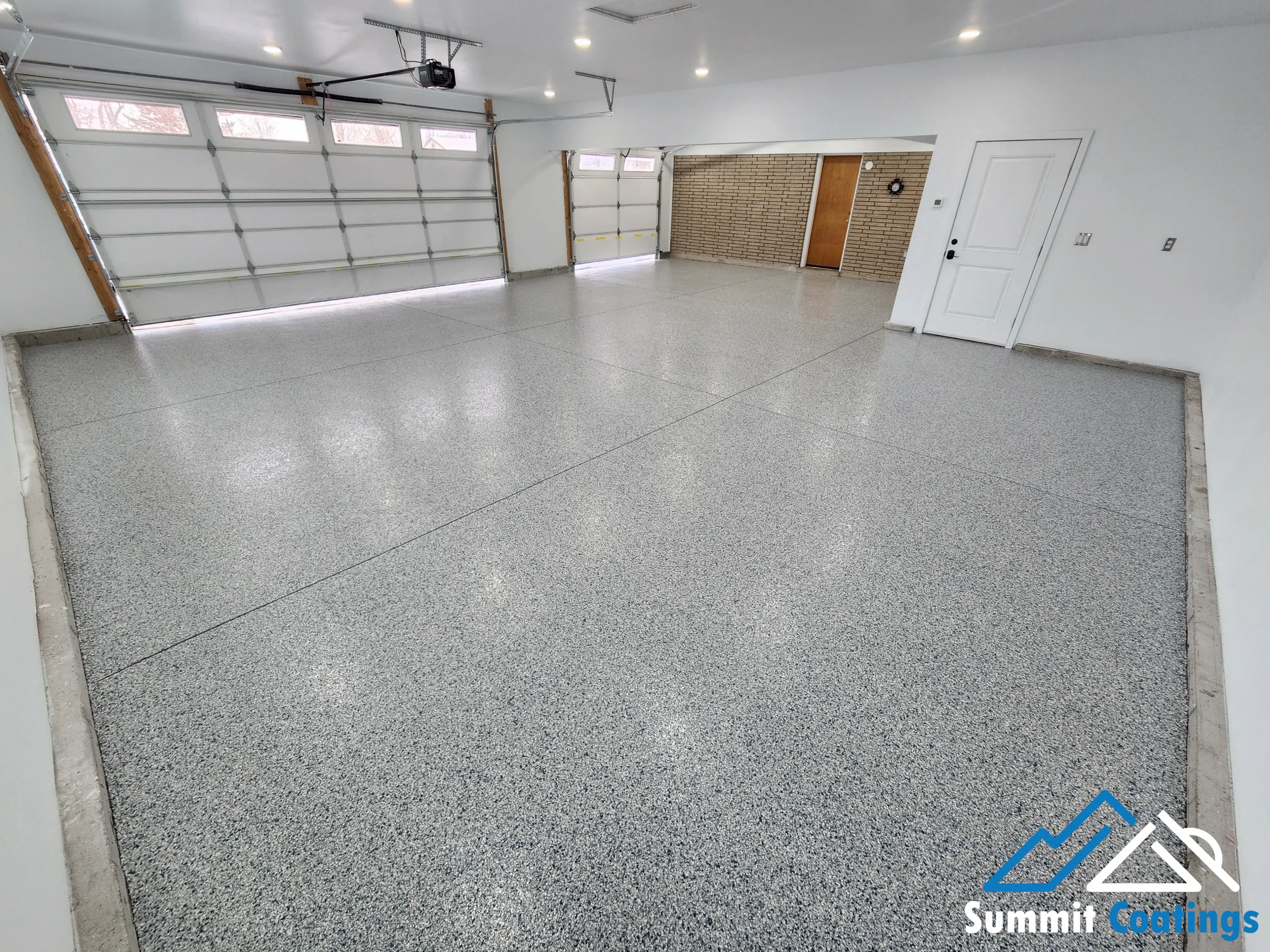
When it comes to protecting and enhancing concrete floors, choosing the right coating can make all the difference. Epoxy and polyurea systems are two of the most popular options, each offering distinct advantages in terms of performance, durability, and application. At Summit Coatings, we specialize in providing the best floor coatings for our clients in Utah. In this article, we’ll explore the key differences between epoxy vs polyurea floor coatings and help you decide which option is best for your needs. 1. Application Time and Curing Speed One of the major differences between epoxy vs polyurea floor coatings is the application and curing time. If you’re looking for a quicker installation, polyurea floor systems vs epoxy shows polyurea as the clear winner in terms of speed. 2. Durability and Strength Durability is another important factor in deciding between epoxy and polyurea. For areas that experience high wear and tear, polyurea floor systems vs epoxy offer a more resilient solution. 3. UV Resistance In Utah, where the sun can be intense, UV resistance is critical for protecting your floor coating. If UV protection is important to you, polyurea floor systems vs epoxy clearly point to polyurea as the better option for sun-exposed surfaces. 4. Chemical Resistance Both coatings offer chemical resistance, but polyurea has a slight edge in certain areas. For spaces that require more robust chemical resistance, polyurea floor systems vs epoxy suggest polyurea as the more durable option. 5. Cost When comparing epoxy vs polyurea floor coatings, cost is often a consideration. If you’re working with a limited budget, epoxy vs polyurea floor coatings lean towards epoxy for a more affordable option, but polyurea’s durability may save money in maintenance in the long run. 6. Surface Appearance and Finish Both coatings can enhance the appearance of your floors, but there are slight differences in finish. If a smooth, flawless finish is important to you, polyurea floor systems vs epoxy shows that polyurea tends to offer more consistent results. When it comes to epoxy vs polyurea floor coatings, both options offer unique benefits. Epoxy coatings are an affordable, durable solution that works well for indoor spaces with moderate use. However, polyurea systems stand out for their superior durability, UV resistance, faster curing times, and chemical resistance, making them the better choice for high-traffic, industrial, or outdoor applications. At Summit Coatings, we offer both epoxy and polyurea coating options tailored to your specific needs. Whether you’re looking for a quick installation with long-lasting performance or need extra protection for a high-use area, we’ve got you covered.Contact us today to discuss which coating is best for your space or visit Summit Coatings for more information.
What to Expect During a Concrete Overlay Installation
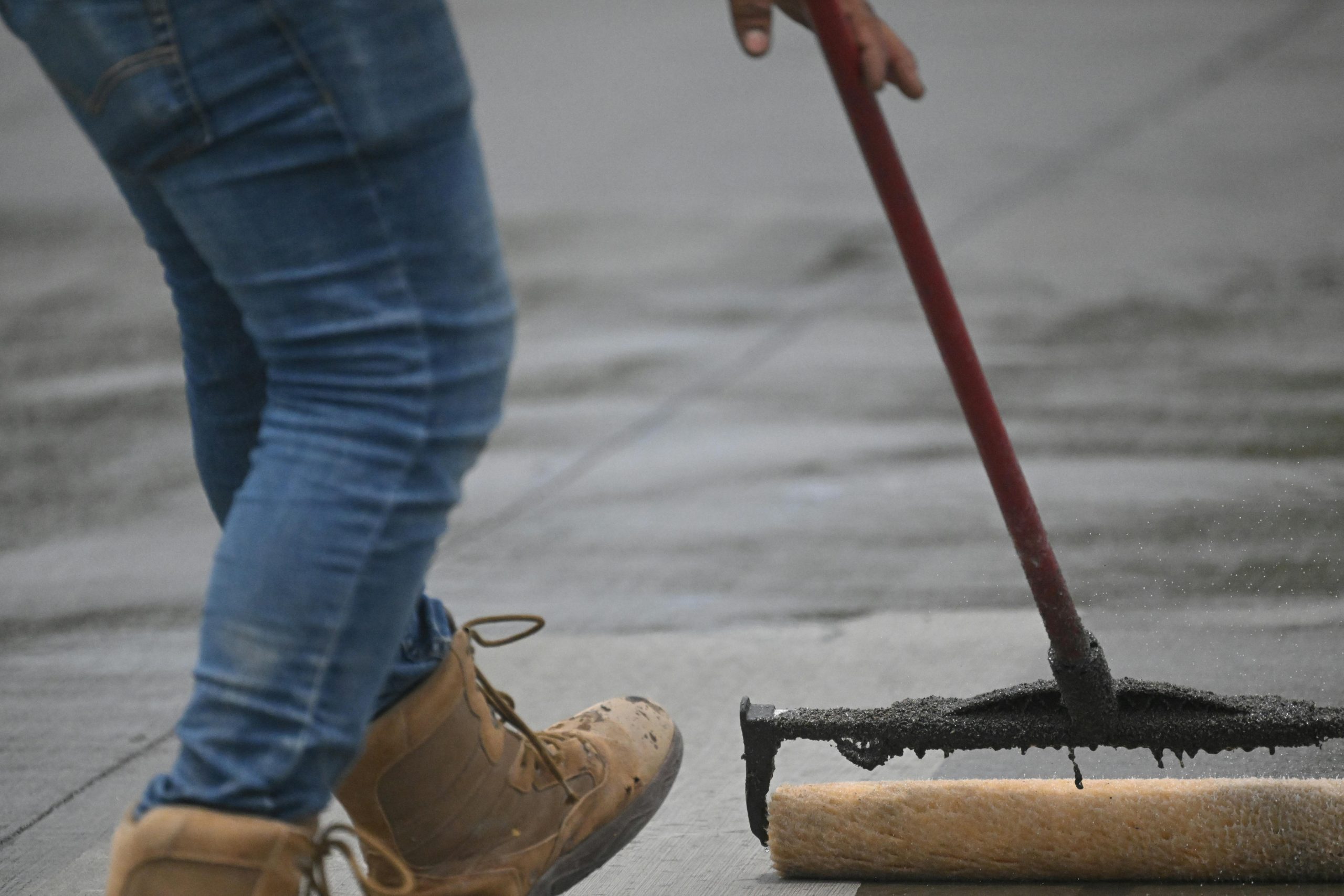
At Summit Coatings, we specialize in providing top-quality concrete overlay solutions to enhance the look and durability of your surfaces. Whether you’re looking to update your driveway, patio, or garage floor, a concrete overlay is an excellent way to breathe new life into old or damaged concrete. If you’re wondering about the concrete overlay installation process in Utah or the steps in applying a concrete overlay in Utah, here’s everything you need to know about the installation procedure and what to expect during the process. 1. Initial Consultation and Surface Evaluation Before the installation begins, the first step in the concrete overlay installation process in Utah is an initial consultation. At Summit Coatings, we’ll assess the condition of your existing concrete surface to determine if it’s a good candidate for an overlay. Our team will check for any significant cracks, uneven areas, or other issues that might need attention before proceeding. If the surface is structurally sound and the existing concrete is in decent condition, we’ll move forward with preparing the concrete for the overlay application. If there are any major issues, such as deep cracks or large-scale damage, these will need to be repaired before proceeding with the overlay. 2. Surface Preparation Surface preparation is a crucial part of the steps in applying a concrete overlay in Utah. For the overlay to adhere properly and last for years, the existing concrete needs to be thoroughly cleaned and prepared. This involves: Proper surface preparation is essential for a successful concrete overlay, and at Summit Coatings, we ensure this step is done thoroughly before moving on to the next phase. 3. Mixing and Applying the Overlay Material Once the surface is prepped, the next step in the concrete overlay installation process in Utah is mixing and applying the overlay material. Concrete overlay materials come in various formulations, depending on the desired finish and durability. At Summit Coatings, we offer high-quality, durable materials designed to withstand Utah’s weather conditions. We’ll carefully mix the overlay material to the proper consistency and apply it evenly over the prepared surface. Depending on the size and complexity of the area being covered, the application may be done by hand or with specialized tools like squeegees or trowels. 4. Shaping and Texturing the Surface Once the overlay material is applied, the next step is to shape and texture the surface to your specifications. If you’re looking for a specific look—such as a stamped concrete finish, a smooth, polished surface, or a decorative pattern—this is when it will be created. Our team can apply various textures, patterns, and finishes to give your concrete a unique and attractive appearance. For example, if you want the look of natural stone, brick, or slate, we can use stamping techniques to achieve that look. If you prefer a smooth, modern finish, we’ll polish the overlay to perfection. 5. Curing the Overlay After the overlay has been applied and shaped, it’s time to let it cure. Curing is an essential part of the steps in applying a concrete overlay in Utah, as it allows the material to harden and fully bond with the existing concrete. The curing process typically takes a few days, during which time the surface must be kept dry and undisturbed. We take great care during this phase to ensure that the overlay is properly cured, which helps prevent cracking and ensures the longevity of the finish. 6. Sealing the Overlay Once the overlay has cured, we’ll apply a high-quality sealer to protect the surface. The sealer acts as a protective barrier against stains, moisture, and wear, ensuring your newly overlaid concrete stays looking fresh for years to come. At Summit Coatings, we offer different types of sealers, including matte, gloss, and satin finishes, allowing you to choose the finish that best suits your style and needs. Sealing your concrete overlay will also make it easier to clean and maintain, keeping your surfaces looking beautiful with minimal effort. 7. Final Inspection and Walkthrough Once the concrete overlay installation is complete, our team will perform a final inspection to ensure that everything has been applied correctly and that you are satisfied with the results. We’ll walk you through the newly overlaid surface to ensure that all your expectations have been met. At this point, we’ll also provide you with information on how to care for and maintain your concrete overlay to ensure it lasts as long as possible. The concrete overlay installation process in Utah is a detailed and professional procedure that, when done right, can completely transform the look and durability of your concrete surfaces. Whether you’re looking to update your driveway, patio, or garage floor, Summit Coatings is here to guide you through each step, from surface evaluation to the final seal. If you’re ready to give your concrete a fresh, durable finish, contact Summit Coatings today. Our expert team is ready to help you achieve the concrete surface you’ve always wanted. For more information on our services, visit us at Summit Coatings.