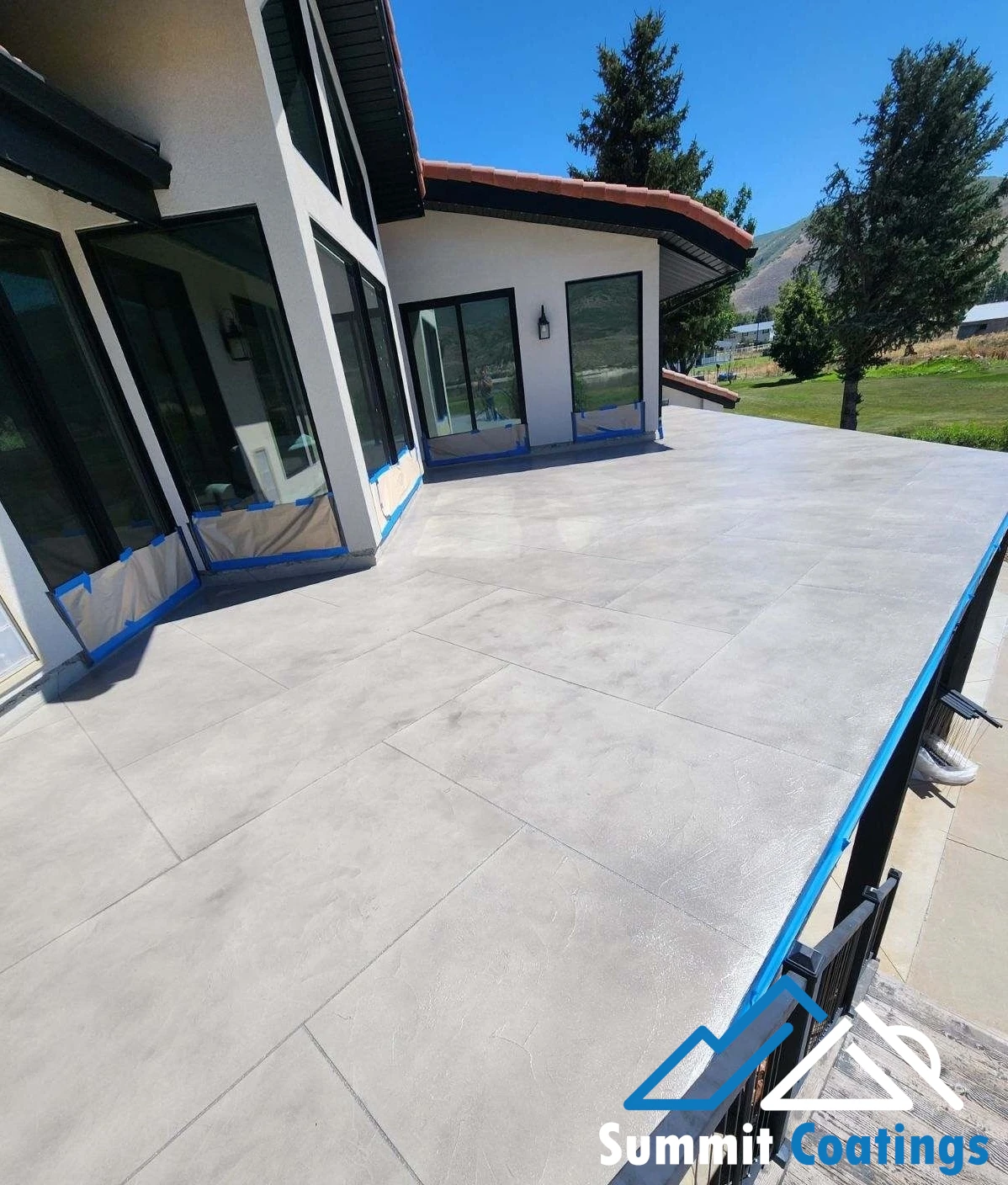
At Summit Coatings, we know that decorative concrete—whether stamped, stained, or customized—adds beauty and durability to your home or business. However, to keep it looking great, regular maintenance is essential, especially in Utah’s challenging climate. If you’re wondering about decorative concrete maintenance tips in Utah or how to care for stamped or stained concrete, here’s how to maintain your decorative concrete year-round. 1. Regular Cleaning Cleaning your decorative concrete regularly is key to preserving its appearance. Sweep the surface often to remove dirt, dust, and debris, and wash it with a mild detergent and a soft mop or cloth. Avoid harsh chemicals or abrasive tools, which can damage the finish. For tougher stains, a pressure washer can be used, but ensure the pressure is low to avoid damage. 2. Sealing Your Decorative Concrete Sealing is one of the most important steps in maintaining your decorative concrete. It creates a protective layer against moisture, dirt, and UV rays, helping preserve color and prevent damage. Reseal your concrete every 1-3 years, depending on foot traffic and exposure to the elements. Always clean the surface before resealing for the best results. 3. Protecting Against Salt and Chemicals Utah winters often involve road salt, which can damage decorative concrete. To protect your concrete, use a concrete-safe ice melt or sand instead of traditional salt. After the season, rinse the surface to remove any salt residue. Applying a protective coating can also help guard against chemical damage. 4. Avoid Abrasive Materials Avoid using abrasive materials like steel wool, sandpaper, or harsh scrubbing brushes, as they can scratch or damage the surface. Instead, use soft brushes or microfiber cloths for cleaning. For high-traffic areas, consider using rugs or mats to prevent dirt and grit from causing abrasion. 5. Addressing Stains Promptly Stains are inevitable, but cleaning them quickly helps prevent permanent damage. For stamped or stained concrete, use the appropriate cleaner for each type of stain, such as a degreaser for oil or a rust remover for rust stains. Always test cleaning products on a small area first to ensure they won’t harm the finish. 6. Repairing Cracks and Damage Cracks and chips may occur over time, especially due to Utah’s freeze-thaw cycles. If you notice cracks, fill them promptly with a concrete patching compound. After repairing, reseal the area to maintain the appearance and prevent further damage. For larger cracks, it’s best to consult a professional for repairs. 7. Shade and UV Protection Utah’s strong UV rays can cause fading and deterioration of decorative concrete. If possible, provide shade using furniture, umbrellas, or canopies. Applying a UV-resistant sealer will also protect your stamped or stained concrete from the sun’s harsh effects, helping it maintain its vibrant look. By following these decorative concrete maintenance tips in Utah, such as regular cleaning, resealing, and protecting against weather conditions, you can keep your stamped or stained concrete looking beautiful year-round. At Summit Coatings, we specialize in expert concrete maintenance and sealing services to help you protect your investment. For more information or assistance, contact us today at Summit Coatings.
The Difference Between Epoxy Coatings and Polyurea Systems
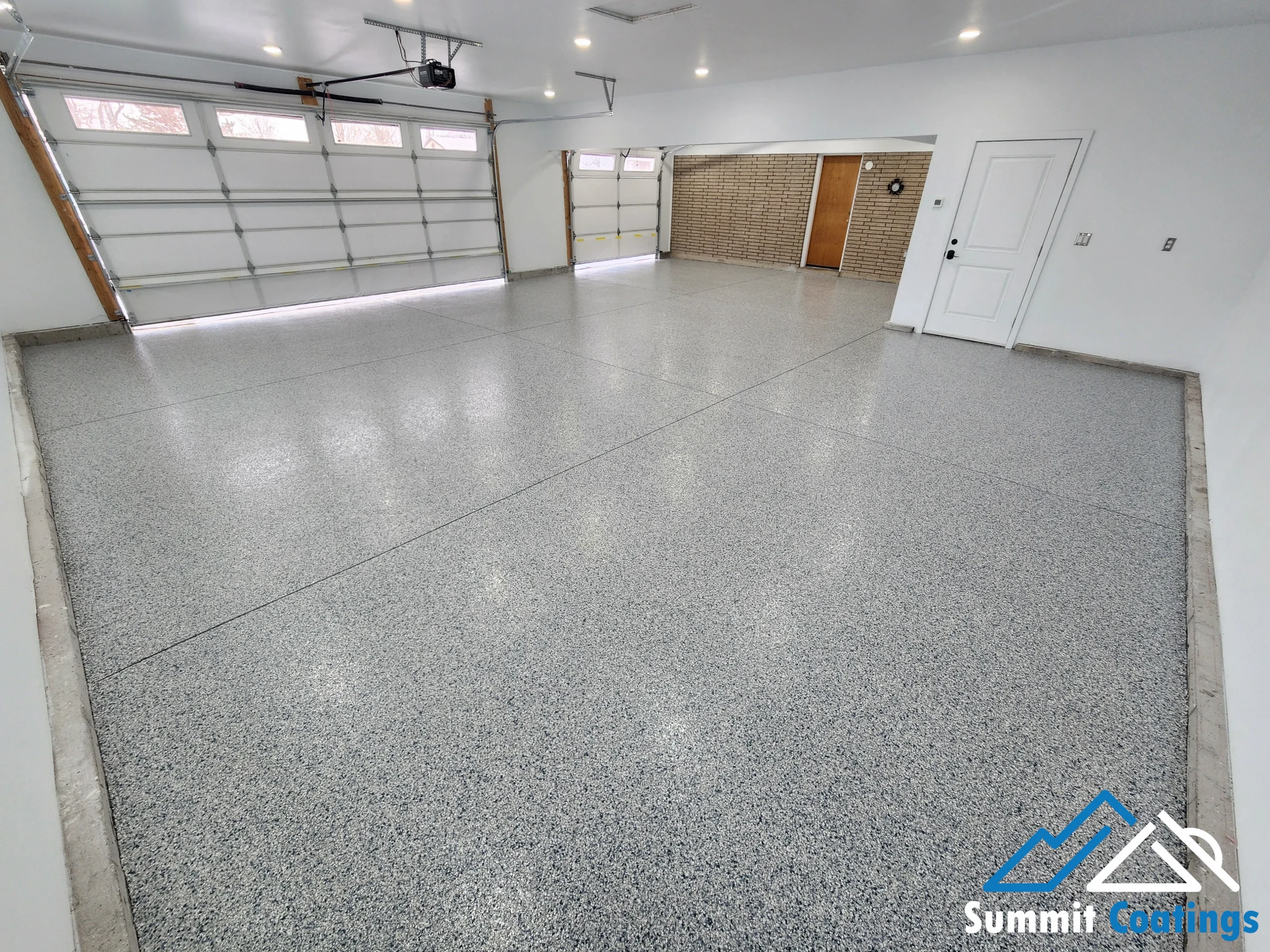
When it comes to protecting and enhancing concrete floors, choosing the right coating can make all the difference. Epoxy and polyurea systems are two of the most popular options, each offering distinct advantages in terms of performance, durability, and application. At Summit Coatings, we specialize in providing the best floor coatings for our clients in Utah. In this article, we’ll explore the key differences between epoxy vs polyurea floor coatings and help you decide which option is best for your needs. 1. Application Time and Curing Speed One of the major differences between epoxy vs polyurea floor coatings is the application and curing time. If you’re looking for a quicker installation, polyurea floor systems vs epoxy shows polyurea as the clear winner in terms of speed. 2. Durability and Strength Durability is another important factor in deciding between epoxy and polyurea. For areas that experience high wear and tear, polyurea floor systems vs epoxy offer a more resilient solution. 3. UV Resistance In Utah, where the sun can be intense, UV resistance is critical for protecting your floor coating. If UV protection is important to you, polyurea floor systems vs epoxy clearly point to polyurea as the better option for sun-exposed surfaces. 4. Chemical Resistance Both coatings offer chemical resistance, but polyurea has a slight edge in certain areas. For spaces that require more robust chemical resistance, polyurea floor systems vs epoxy suggest polyurea as the more durable option. 5. Cost When comparing epoxy vs polyurea floor coatings, cost is often a consideration. If you’re working with a limited budget, epoxy vs polyurea floor coatings lean towards epoxy for a more affordable option, but polyurea’s durability may save money in maintenance in the long run. 6. Surface Appearance and Finish Both coatings can enhance the appearance of your floors, but there are slight differences in finish. If a smooth, flawless finish is important to you, polyurea floor systems vs epoxy shows that polyurea tends to offer more consistent results. When it comes to epoxy vs polyurea floor coatings, both options offer unique benefits. Epoxy coatings are an affordable, durable solution that works well for indoor spaces with moderate use. However, polyurea systems stand out for their superior durability, UV resistance, faster curing times, and chemical resistance, making them the better choice for high-traffic, industrial, or outdoor applications. At Summit Coatings, we offer both epoxy and polyurea coating options tailored to your specific needs. Whether you’re looking for a quick installation with long-lasting performance or need extra protection for a high-use area, we’ve got you covered.Contact us today to discuss which coating is best for your space or visit Summit Coatings for more information.