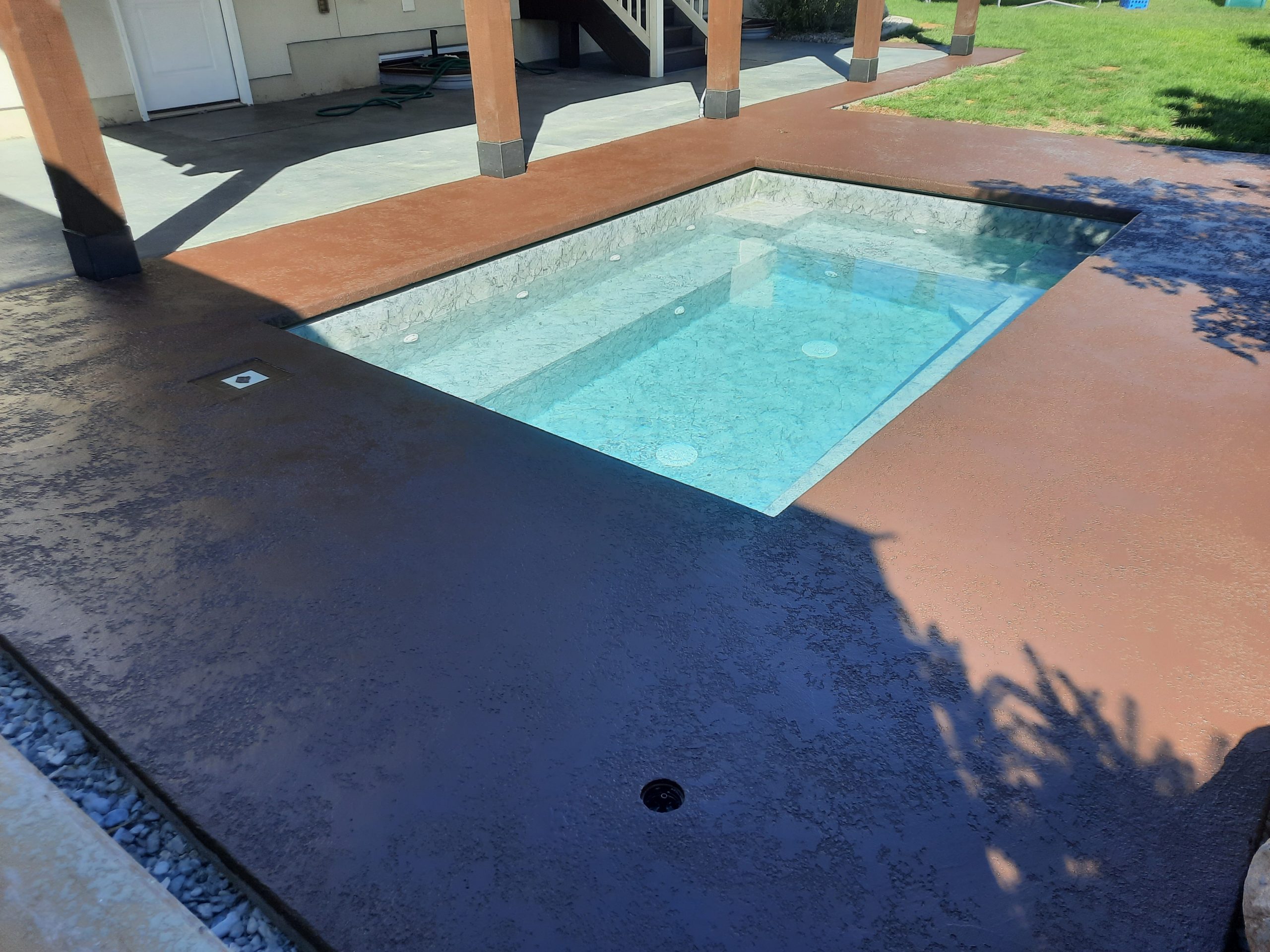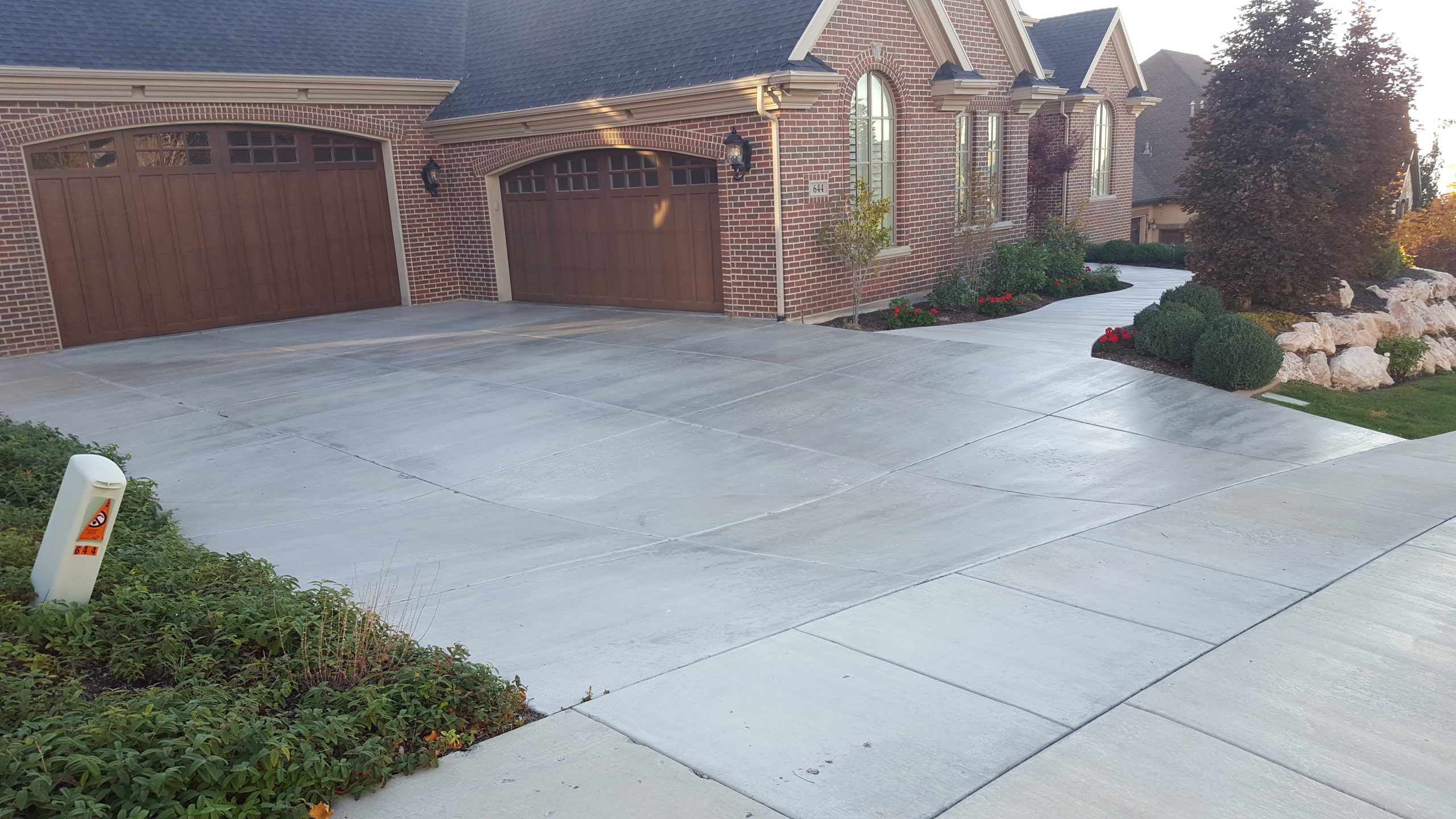
If you’re planning a garage floor, patio deck, or backyard sport court project, the question we hear most often along the Wasatch Front is simple: what’s the best time to coat concrete in Utah? The honest answer is that timing matters more here than in a lot of states, because our high-desert climate swings hard from snowy winters to bone-dry 100-degree summers, and every coating cures differently depending on temperature and humidity.
At Summit Coatings, we coat concrete year-round across Salt Lake City, Sandy, Draper, Lehi, Provo, Orem, Pleasant Grove, and Park City. But “year-round” doesn’t mean every season is equal for every project. Below is a practical breakdown of how Utah’s seasons affect curing, which projects are season-sensitive, and how to plan your job for the best possible result.
Why Temperature and Humidity Decide Your Cure
Concrete coatings aren’t paint. Epoxies, polyaspartics, and polyurethanes are chemical systems that cure through a reaction, and that reaction is governed by temperature, humidity, and the temperature of the concrete slab itself. Get those wrong and you can end up with soft spots, blushing (a hazy white film), poor adhesion, or bubbles.
A few fundamentals worth knowing before you schedule:
- Temperature windows. Most standard epoxies want surface and air temperatures roughly between 55°F and 85°F to cure properly. Polyaspartic coatings are more forgiving and can be installed in colder conditions, which is part of why they’re popular for Utah garage floors.
- Heat speeds the clock. Warmer slabs cure faster, but that also shortens your working time (pot life). On a hot summer afternoon in Draper, a batch of epoxy can start setting before it’s fully spread, which is why technique and product selection matter.
- Cold slows everything. Below about 50°F, many epoxies cure sluggishly or not at all. The concrete itself can stay cold long after the air warms up.
- Dew point and humidity. This is the one homeowners overlook. If the slab temperature is at or below the dew point, moisture forms on the surface and ruins adhesion. Coatings should be applied when the slab is at least 5°F above the dew point. Utah’s dry air actually helps here, but cool spring mornings and fall evenings can sneak up on you.
The Best Time to Coat Concrete in Utah, Season by Season
Here’s how each part of the year plays out for a typical concrete coating season in Utah.
Spring and Fall: The Sweet Spots
For most exterior work, spring and fall are the easiest windows to hit. Daytime temperatures in the 60s and 70s, low humidity, and mild slab temperatures give installers plenty of working time and clean, predictable cures. April through early June and September through October tend to be ideal for patios, walkways, pool decks, and exterior concrete overlays across the Salt Lake Valley and Utah County.
The one caution in shoulder seasons is the morning dew point. A 40-degree spring morning in Lehi can leave condensation on a slab, so good crews start later in the day or adjust scheduling so the concrete has time to warm above the dew point first.
Summer: Fast Cures, Shorter Work Time
Utah summers are hot and dry, which is great for keeping moisture out of the equation but introduces a different challenge: speed. When slab temperatures climb on a July afternoon in Orem or Pleasant Grove, coatings can kick faster than planned. That’s manageable for an experienced crew that works in the cooler morning hours, uses summer-grade hardeners, and shades the surface, but it’s exactly where DIY kits go wrong. Summer is also prime season for outdoor sport courts, which we’ll cover below.
Winter: Indoor Yes, Outdoor Usually No
Winter is where a lot of homeowners assume the whole concrete coating season shuts down. It doesn’t, it just moves indoors. Exterior decks, patios, and sport courts generally aren’t a good idea once temperatures drop and snow and freeze-thaw cycles set in. But a heated, enclosed garage is a controlled environment, so interior garage floor coatings stay viable straight through a Park City winter as long as the space can be kept warm enough for the product to cure.
Surface-by-Surface Timing
The right season depends heavily on what you’re coating. Here’s how the major project types break down.
Garage Floors: Year-Round with Heat
This is the most common question we get: when to epoxy garage floor projects in Utah? Because a garage is enclosed and can be heated, garage floors are a true year-round job. With a climate-controlled space and fast-curing polyaspartic systems, we install garage floor coatings in the dead of winter just as readily as in summer. If your garage stays above the product’s minimum cure temperature, the calendar barely matters. You can browse finished garage and floor projects in our epoxy gallery to see the range of finishes available.
Waterproof Decks: Warm, Dry Weather
Waterproof deck coatings, the kind that protect a balcony, second-story deck, or walkable rooftop, are more weather-sensitive than almost anything else we install. These systems are applied in layers, and each layer needs dry conditions and adequate temperature to bond and cure correctly. That makes late spring through early fall the target window. Trying to install a waterproof deck coating in wet or freezing conditions invites adhesion problems, so we schedule these jobs around dry stretches in the warm season.
Sport Courts: Summer
Backyard basketball and pickleball courts are a summer project, plain and simple. Court coatings and concrete overlays need warm, dry, settled weather to cure hard and color-true, and the long, dry stretches of a Utah summer are perfect for it. Scheduling court resurfacing for June through August also means it’s ready to play on before the season winds down. You can see overlay and court options on our sport court and overlay page.
Don’t Just Wait for “Perfect” Weather
Here’s the part most online advice gets wrong: it tells homeowners to wait for an ideal weather window. That’s DIY thinking. Professional installers don’t sit around hoping for 70 degrees, they control the conditions. We use product systems matched to the season, heat or shade the work area as needed, monitor slab temperature and dew point with the right tools, and time each phase of the job accordingly.
What that means for you: if your garage floor is peeling in January or your deck is failing in March, you don’t have to wait until June. Summit Coatings can usually find a path to do the job right, right now, especially for interior and climate-controlled work. The seasons are a guide, not a hard stop.
Planning and Scheduling Tips
- Book exterior work early. Spring and summer fill up fast for decks, patios, and courts. If you want a warm-season install, reach out a few weeks ahead.
- Save indoor projects for the off-season. Garage floors are perfect winter work, and you’ll often have more flexible scheduling.
- Account for prep and cure time. A coating job isn’t a single afternoon. Surface grinding, repairs, multiple coats, and cure time mean you’ll want the area out of service for a few days.
- Budget realistically. Typical industry ranges for professional concrete coatings vary widely by square footage, system, and prep required. We’ll give you a clear, specific quote rather than a guess.
- Ask about the product system. Polyaspartic and epoxy systems behave differently across seasons. A good installer will recommend the right one for your timing and surface.
Whatever the season, the goal is the same: a coating that bonds correctly, cures fully, and lasts for years through Utah’s freeze-thaw swings. Getting the timing and the product right is most of that battle. Book your concrete coating project in Salt Lake City and we’ll help you plan the smartest window for your specific surface.
Frequently Asked Questions
What is the best time of year to coat concrete in Utah?
For exterior projects like patios, decks, and sport courts, spring and fall offer the easiest conditions thanks to mild temperatures and low humidity, with summer ideal for courts. Interior garage floors can be coated year-round because the space can be heated and controlled.
Can you epoxy a garage floor in winter?
Yes. Because a garage is enclosed, it can be heated to the temperature a coating needs to cure. Using fast-curing polyaspartic systems, we install garage floor coatings throughout the winter across the Salt Lake area as long as the space stays warm enough.
Why does humidity matter for concrete coatings?
If the slab temperature drops to or below the dew point, moisture forms on the surface and prevents the coating from bonding, which can cause peeling or a hazy finish. Utah’s dry climate helps, but cool spring mornings and fall evenings still require monitoring the dew point before application.
How long does a concrete coating take to cure before I can use it?
It depends on the product and conditions. Many polyaspartic floors are ready for foot traffic within a day and vehicle traffic within a few days, while some epoxy systems take longer. Warmer temperatures speed curing and colder temperatures slow it, which is one more reason timing and product choice go together.