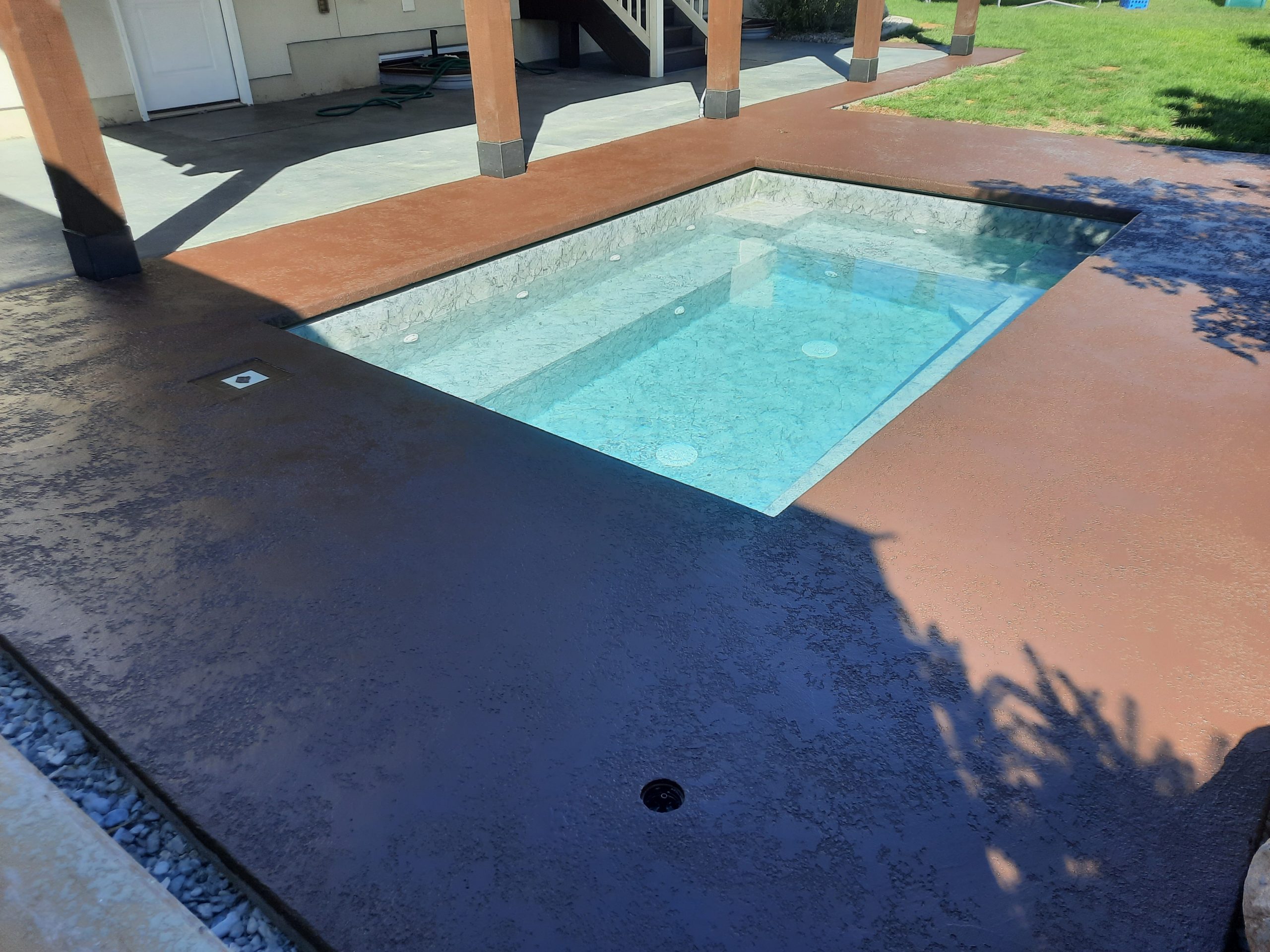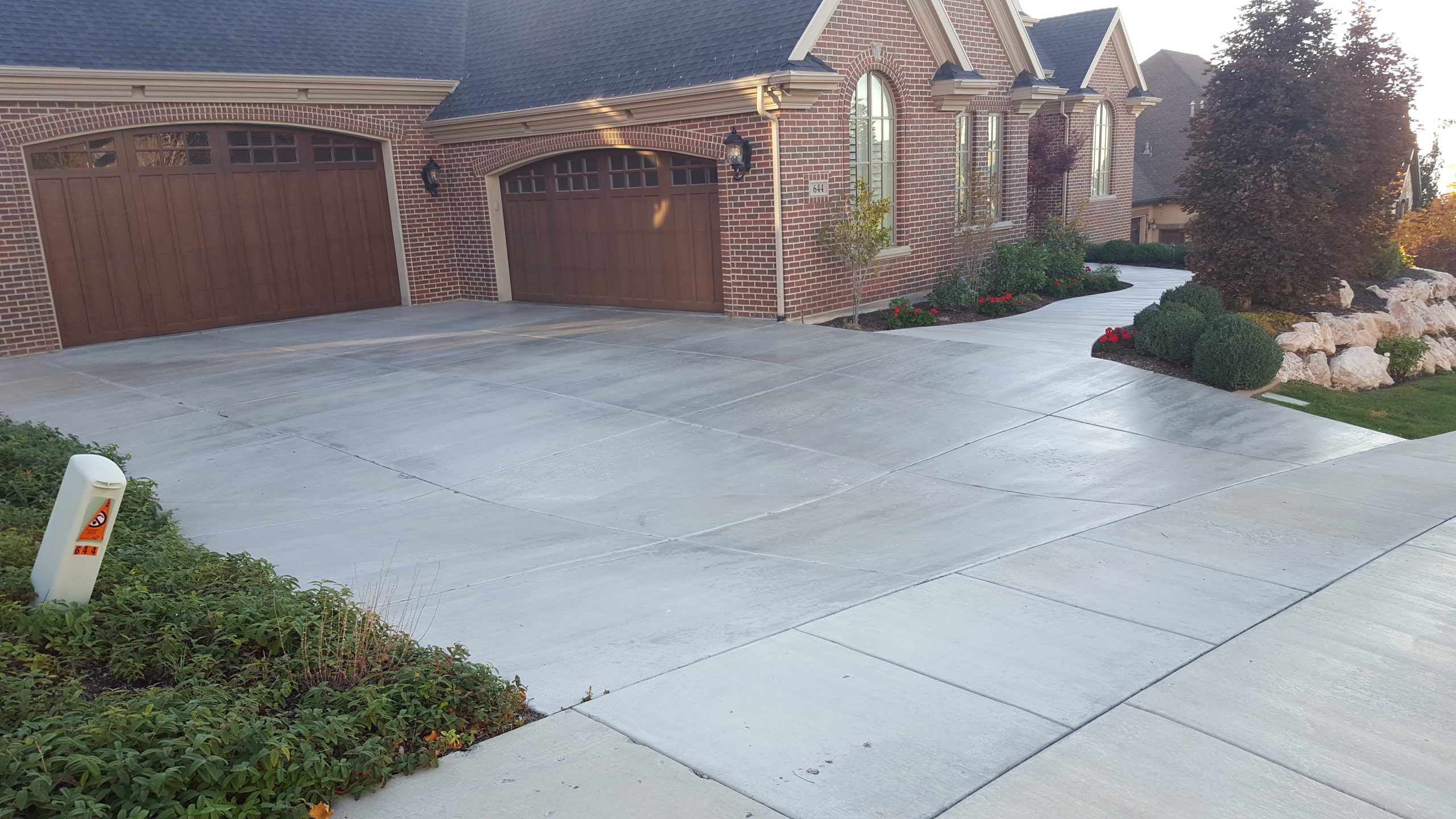
If you own a home along the Wasatch Front, you already know our weather doesn’t go easy on anything outdoors. Concrete sealing in Salt Lake City is one of the simplest, most impact-effective ways to protect your driveway, patio, and walkways from the punishing freeze-thaw swings, winter de-icing salt, and intense summer UV that define Utah’s climate. The big question most homeowners ask us at Summit Coatings is simple: how often should you actually reseal?
Why Sealing Matters So Much in Utah
Concrete looks tough, but it’s porous. Untreated slabs soak up water like a sponge, and along the Wasatch Front that water has a habit of freezing and thawing dozens of times each winter. Here’s why a good sealer is worth it for Utah surfaces:
- Freeze-thaw cycles: Water seeps into tiny pores, freezes overnight, and expands. Repeated through a Salt Lake winter, that expansion cracks the surface and causes spalling — the flaking and pitting you see on older driveways.
- Road salt and de-icers: The same salt and chemical de-icers that keep your driveway safe in January are hard on bare concrete. They accelerate surface scaling and corrode the rebar underneath.
- Intense summer UV: Utah sits at high elevation with thin, dry air, so summer sun is brutal. UV fades decorative finishes and breaks down unprotected surfaces over time.
- Water absorption: Once water gets in, you also invite staining, efflorescence (those white mineral deposits), and the freeze damage above. A sealer keeps moisture out so the slab stays sound.
In short, sealing buys you years of life on a surface that’s expensive to replace. A quality concrete sealer in Utah conditions is closer to insurance than to a cosmetic upgrade.
Types of Concrete Sealers (and What They Do)
Not all sealers are the same, and choosing the right one matters more than how often you apply it. There are three broad categories homeowners run into:
Penetrating Sealers (Silane / Siloxane)
These soak into the concrete and react chemically below the surface, creating a water-repellent barrier without changing how the slab looks. They leave a natural, matte appearance and let the concrete breathe, which makes them a strong fit for driveways and walkways that take a beating from salt and freeze-thaw. Because they work from the inside, they don’t peel or wear away the way coatings on top can.
Topical Acrylic Sealers
Acrylics form a thin film on the surface. They’re popular for patios and decorative or stamped concrete because they add a slight sheen and can enrich color. The trade-off is that they sit on top, so they wear faster in high-traffic and high-UV areas and need more frequent reapplication. They’re great for looks but less rugged than a penetrating product under harsh conditions.
Penetrating Densifiers
Densifiers react with the concrete to harden and tighten the surface, reducing dusting and improving abrasion resistance. They’re commonly used on garage and interior floors, often as part of a polished concrete system, and pair well with a top sealer for stain resistance. If you want a low-maintenance, durable garage floor, densifying is often part of the answer.
How Often Should You Reseal? A Surface-by-Surface Guide
This is the heart of concrete sealing in Salt Lake City, because the right interval depends on the surface, the sealer, and which factors sun, salt, and traffic it sees. Use these as general guidelines, not hard rules — your specific exposure matters.
- Driveways: With a penetrating silane/siloxane sealer, plan on resealing roughly every 3 to 5 years. Driveways take the worst of the de-icing salt and freeze-thaw, so don’t stretch the interval too far. Driveway sealing in Salt Lake City is one of the highest-payoff maintenance jobs you can do.
- Patios: Decorative patios sealed with a topical acrylic typically need a refresh every 1 to 3 years, since the film wears and the UV is relentless. A penetrating sealer on a non-decorative patio can go longer.
- Walkways: Similar to driveways — roughly every 3 to 5 years with a penetrating sealer, sooner if the walk is shaded and stays damp or sees heavy salt.
- Garage floors: A densified and sealed floor, or an epoxy/polyaspartic coating, can last many years before it needs attention. Sealed-only floors generally want a refresh every 2 to 4 years depending on traffic and what you park or store on them.
Signs It’s Time to Reseal
You don’t have to track dates on a calendar. Your concrete tells you when it’s thirsty. Watch for these signals:
- The water test: Pour a cup of water on the surface. If it beads up, your sealer is still working. If it soaks in and darkens the concrete within a minute or two, it’s time to reseal.
- Color looks faded or dull on decorative or stained surfaces, especially the sun-baked side.
- Surface feels rough or is shedding fine dust — a sign the top layer is breaking down.
- New stains set in easily from oil, leaves, or rust where they used to wipe away.
- Early pitting, flaking, or hairline cracks appearing after winter — address these before they spread.
If you’re already seeing spalling or scaling, sealing alone may not be enough; the surface may need repair or resurfacing first.
DIY vs. Professional Sealing
You can buy sealer at any hardware store, and for a small, simple slab a careful DIY job is doable. But the results live and die on prep and product choice, and that’s where homeowners often run into trouble. Sealing over a dirty, damp, or previously coated surface traps moisture and leads to peeling, blotchiness, or a sealer that fails in a season.
Prep: The Part That Makes or Breaks the Job
Sealer only performs as well as the surface underneath it. Good prep generally includes:
- Deep cleaning to remove dirt, oil, and organic stains, often with a pressure wash and degreaser.
- Stripping any old, failing sealer so the new product can bond or penetrate properly.
- Repairing cracks and spalled areas before sealing, not after.
- Letting the surface dry fully — sealing damp concrete is one of the most common reasons a job fails.
- Watching the weather for the right temperature and a dry window, which matters a lot with Utah’s swings.
What a Professional Concrete Sealing Service Includes
When you bring in a pro, you’re paying for more than the sealer in the bucket. A thorough service from a company like Summit Coatings generally covers an assessment of your surface and exposure, matching the right sealer to the job, complete surface prep, even application at the proper coverage rate, and clear guidance on cure times and reseal intervals. For homeowners who want a finished, low-maintenance look indoors, we also handle interior stain & sealed floors and polished concrete systems that go beyond a basic seal.
Whether it’s a driveway that’s seen one too many winters or a patio you want to keep looking sharp, sealing on the right schedule protects an investment that’s far more expensive to replace than to maintain. Schedule concrete sealing in Salt Lake City with our team and we’ll recommend the right approach for your surfaces and Utah’s climate.
Frequently Asked Questions
How often should I seal my driveway in Salt Lake City?
For most Salt Lake City driveways using a quality penetrating sealer, every 3 to 5 years is a good target. Because driveways take the brunt of winter de-icing salt and freeze-thaw cycles, lean toward the shorter end if your driveway gets heavy salt or stays wet. The water-bead test is the easiest way to check whether yours is due.
Does concrete sealer really protect against Utah winters?
Yes. A good concrete sealer in Utah keeps water from soaking into the slab, which is exactly what drives freeze-thaw damage and salt scaling. By blocking moisture absorption, the right sealer significantly slows spalling, pitting, and surface deterioration through our cold months.
Can I seal concrete myself, or should I hire a pro?
Small, simple slabs can be a reasonable DIY project if you prep carefully and pick the right product. For decorative surfaces, garage floors, anything already showing wear, or larger areas, a professional application usually lasts longer and avoids costly mistakes like trapped moisture and peeling.
What happens if I never seal my concrete?
Unsealed concrete absorbs water, stains more easily, and is far more vulnerable to freeze-thaw cracking, spalling, and salt damage. Over time that leads to a rough, pitted surface that’s expensive to repair or replace — far more than the impact of resealing on a regular schedule.